
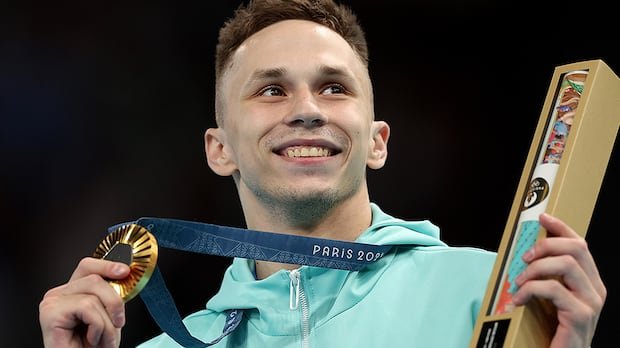

In a significant move on Thursday, the International Olympic Committee declared that athletes representing Belarus should now compete with their full national identity without the need for neutral status checks, despite the ongoing conflict in Ukraine. This recommendation, though not yet extended to Russia, indicates a potential shift towards reintegrating Russia into the Olympic community as the 2028 Los Angeles Summer Games draw closer.
During the 2024 Paris Olympics and the recent Milan Cortina Winter Olympics, athletes from Russia and Belarus were required to compete as neutrals to distance themselves from the war. Both countries were excluded from team sports at the Olympics.
The IOC emphasized that athletes’ participation in international competitions should not be restricted by their governments’ actions, including involvement in conflicts. The qualification period for the upcoming Los Angeles Games begins this summer, with over 200 national teams expected to compete in more than 350 medal events.
This updated stance by the IOC, coming more than four years into the conflict in Ukraine, follows persistent calls for sporting sanctions against Israel due to the Gaza conflict. Despite such pressures, the IOC, led by President Kirsty Coventry and former President Thomas Bach, has resisted imposing sanctions and aims to navigate the complexities of the current geopolitical landscape.
A key obstacle to the full return of Russian athletes is an ongoing investigation by the World Anti-Doping Agency into recent reports implicating Russian anti-doping agency official Veronika Loginova. The IOC expressed concern over this matter and highlighted the need for a thorough review by WADA.
The Russian Olympic Committee has been under suspension by the IOC since October 2023 for its involvement in incorporating regional sports bodies in illegally occupied territories. While constructive discussions have taken place between the ROC and the IOC, the suspension remains in place pending further review by the IOC Legal Affairs Commission.
Track and field’s World Athletics swiftly excluded athletes and officials from Russia and Belarus from its international events at the onset of the conflict. The IOC’s recent decision does not alter this stance, with the track body indicating a willingness to review its decisions once progress towards peace negotiations is observed.
The IOC’s guidance allows for Belarusian athletes to anticipate a return to full national representation at the 2028 Olympics, including marching under their national flag, wearing national colors, and hearing their anthem for gold medalists.
Following an announcement by the IOC regarding Belarus, a weightlifting medalist, Yauheni Tsikhantsou, tested positive for doping during the Paris Olympics. The athlete is currently under investigation by the International Testing Agency for the presence of growth hormone in his sample.
The IOC also provided updates on the 2030 Winter Games in the French Alps and the selection process for the 2030 Youth Olympic Games host. The Winter Games program review is set for confirmation in June, with considerations for sports played on snow and ice. The Youth Olympic Games host selection process faced delays due to global uncertainties and varying perspectives on the event’s objectives.
Potential host cities for the 2030 Youth Olympic Games include Asuncion, Paraguay; Bangkok, Thailand; and Santiago, Chile.