
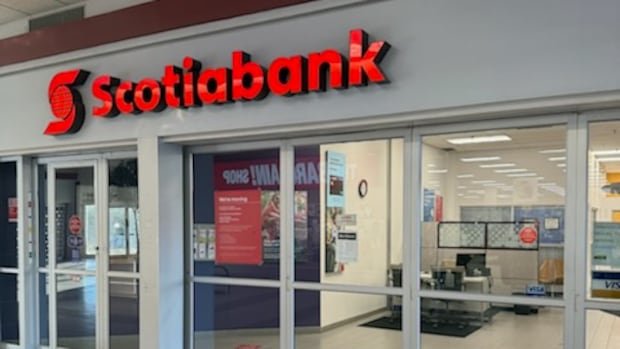

Marathon’s mayor expresses concern over the impending closure of the town’s sole remaining bank branch and the potential impact on the community. Scotiabank recently announced the closure of its branches in Marathon and Red Lake next spring. The decision to move services to other branches was confirmed by a Scotiabank spokesperson in a statement to CBC News.
Mayor Rick Dumas was notified of the closure by a town councillor. Despite Scotiabank offering assistance for residents transitioning to online banking, Dumas remains worried about the closure’s repercussions. He criticized the bank’s focus on profits over customer well-being, especially for a small community losing its last financial institution.
Dumas highlighted potential challenges for seniors and businesses in Marathon with a shift to online banking. He emphasized the inconvenience for businesses needing cash transactions and how larger stores are becoming de facto banks for smaller enterprises. Scotiabank’s decision, citing changing client preferences towards digital banking, has left residents and businesses grappling with the loss of in-person banking services.
The closure of bank branches in remote areas like Schreiber also underscores the impact on communities. Resident Alison McLaughlin noted the difficulty for small businesses in obtaining change and the broader implications for community events requiring cash transactions.
Jerry Buckland, a professor specializing in finance and banking services, explained that physical branches are costly to maintain, leading banks to encourage online banking. He noted that branches in lower-income areas tend to be targeted for closure due to lower profitability. Buckland highlighted the challenges some individuals face in transitioning to online banking, particularly those lacking access to technology or comfort with digital systems.
Additionally, Buckland raised concerns about vulnerable individuals falling prey to online scams and the allure of risky external loan providers. The potential consequences of limited access to traditional banking services may lead individuals to seek out alternative, potentially harmful financial products online.