
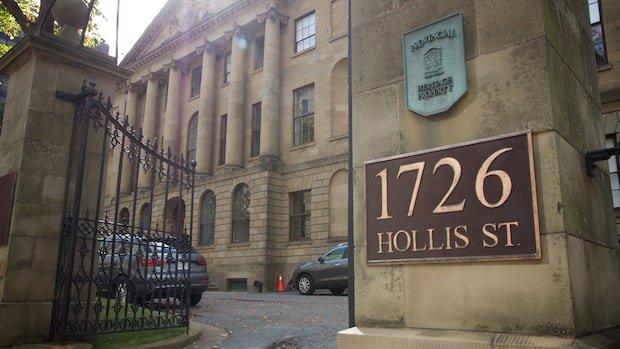

MLAs are set to convene at the Nova Scotia Legislature for the spring session on Monday, with Finance Minister John Lohr reportedly planning to present his budget on the same day, as per sources informed CBC News. The scheduling of both the session and budget unveiling on a Monday is considered atypical, making it the fourth instance in over 40 years if the plan proceeds.
NDP Leader Claudia Chender expressed concerns about the government’s choice of timing, emphasizing that Monday meetings lack a question period and occur in the evening, minimizing public scrutiny. She remarked, “This is part of a trend by this government to limit public awareness of their actions.”
While typical proceedings at Province House commence at 1 p.m. on other weekdays, Monday sittings begin at 4 p.m., causing a delay in revealing Premier Tim Houston’s proposed strategies for addressing the $1.4 billion deficit. Interim Liberal Leader Iain Rankin criticized the rush to introduce the budget, indicating the government’s intention to swiftly navigate the session, potentially making tough decisions as hinted by the premier.
Both Houston and Lohr have refrained from confirming the budget’s simultaneous release with the session opening in the past weeks. Noteworthy past instances of Monday budget presentations include the 2009 budget under the minority PC government and the 1994 budget by John Savage’s Liberal government, marked by a delay due to a union protest.
Political science professor Lori Turnbull suggested the possibility of the PC government following historical trends by presenting the budget on a Monday. The impending session poses a challenge for the PCs as slowing revenue growth necessitates critical decision-making and prioritization, a departure from their previous approach since assuming power in 2021.
The government’s focus on core issues like healthcare, housing, education, and affordability while aiming to cut spending has been articulated by Premier Houston, indicating forthcoming impacts on public services and programs. Amid plans to redraw the electoral map and create a new legislative seat, the government faces opposition calls for improved accountability and commitments to childcare affordability.
Chender outlined her legislative agenda, highlighting bills to address housing affordability and power rates while advocating for increased government transparency. Rankin emphasized the need for fiscal discipline and fulfilling promises, particularly concerning childcare costs and program oversight.
The Liberals intend to advocate for cost-effective childcare and the establishment of an independent fiscal monitor akin to the federal parliamentary budget officer. Amid concerns over deficit escalation and potential budget cuts, the government’s financial management may influence Premier Houston’s political standing, resonating with similar challenges faced by other provinces like British Columbia and New Brunswick.
The evolving fiscal landscape at the provincial level mirrors federal trends, where a shift towards fiscal restraint is becoming evident. As governments aim to curb spending and manage deficits, the pressure to balance budgets and rein in expenditures is mounting at both levels of government.