
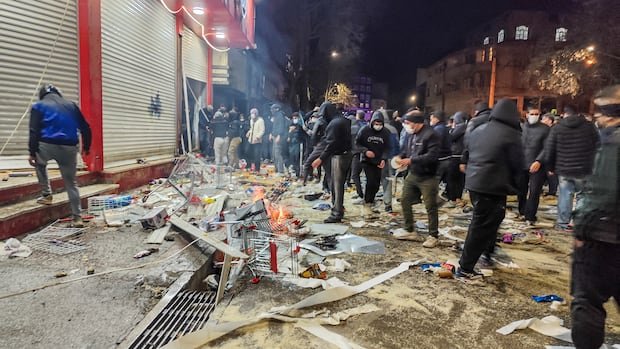

People gathered in the streets of Tehran on Thursday evening, according to witnesses, signaling a surge in ongoing protests in Iran following a call for a large-scale demonstration by exiled Crown Prince Reza Pahlavi. Shortly after the protests commenced, internet access and telephone lines in Iran were abruptly shut down.
These demonstrations served as a litmus test to gauge whether Pahlavi could sway the Iranian public. Chants in support of the shah, which would have been met with a death penalty in the past, now highlight the underlying frustration fueling the protests initially sparked by Iran’s struggling economy.
The unrest continued with protests sprouting up in various cities and rural areas across Iran on Wednesday. More markets and bazaars closed in solidarity with the demonstrators. The violence surrounding the protests has resulted in 41 fatalities and over 2,270 detentions, as reported by the U.S.-based Human Rights Activists News Agency.
The mounting protests are putting pressure on both Iran’s civilian government and its Supreme Leader Ayatollah Ali Khamenei. CloudFlare and the advocacy group NetBlocks reported an internet blackout, attributing it to government interference, a precursor to anticipated government crackdowns.
The protests, which lack centralized leadership, raise uncertainties about the impact of Pahlavi’s call on the future trajectory of the demonstrations. Nate Swanson, an Iran expert at the Atlantic Council, highlighted the historical lack of viable alternatives as a challenge for past protests in Iran.
Pahlavi’s call for demonstrations on Thursday and Friday at 8 p.m. local time resonated across Tehran neighborhoods, sparking chants like “Death to the dictator!” and “Death to the Islamic Republic!” While some demonstrators hailed the shah and expressed a desire for his return, it remains unclear if this support is for Pahlavi himself or a yearning to revert to pre-1979 revolution times.
Iranian authorities appeared to take the planned protests seriously, with reports indicating measures such as using drones to identify participants. Despite the widespread protests on Thursday, Iranian officials have not formally acknowledged the scale of the unrest.
The recent rounds of protests in Iran, amid economic woes and post-war struggles, have drawn international attention, with President Trump warning against violent suppression of peaceful protests. The U.S. State Department has mirrored this sentiment on social media, while Iran’s Foreign Ministry denounced U.S. interventions in Iranian affairs.
As the protests evolve, the fate of Iran hangs in the balance, with ongoing unrest challenging the status quo and raising concerns both domestically and internationally.