
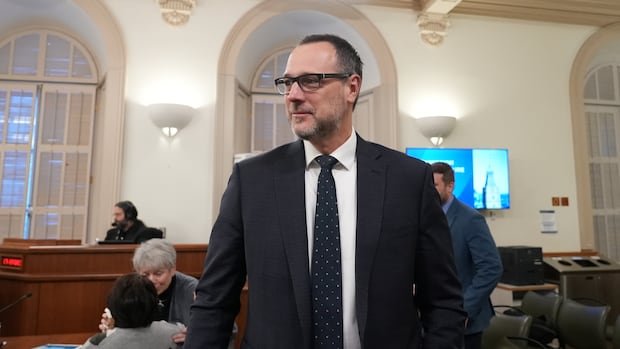

The Quebec government stood by its decision to expand the province’s contentious secularism law during consultations for Bill 9 at the National Assembly on Tuesday. As the legislative session resumed, various groups expressed differing views on the implications of the new secularism bill on fundamental rights. Some argued that the proposed law could encroach on individual liberties, while others supported it for safeguarding the education system and public services.
Bill 9 aims to prohibit subsidized daycare and private school staff from wearing religious symbols, going beyond the existing secularism law, known as Bill 21. Additionally, individuals seeking to pray in public would be required to obtain a permit from a municipality, and prayer spaces in public institutions, including universities, would be disallowed. The legislation also seeks to extend the prohibition on face coverings to anyone present in a public educational setting.
Despite the government’s leadership transition, Jean-François Roberge, Quebec’s minister responsible for secularism, emphasized the importance of passing the bill swiftly. He expressed confidence in the consensus surrounding the reinforcement of the secularism law and the eventual adoption of the proposed legislation.
The National Council of Canadian Muslims (NCCM) raised concerns during the initial consultations, criticizing Bill 9 for potentially targeting visible religious minorities rather than focusing on institutional regulations. NCCM’s CEO, Stephen Brown, questioned the state’s authority in regulating citizens’ personal lives under the guise of secularism.
Amidst the discussions, Liberal MNA Madwa-Nika Cadet denounced the bill as a diversion from pressing societal issues such as healthcare and living costs. Cadet highlighted the potential challenges in recruiting daycare educators due to the ban on religious symbols, especially considering the existing shortage of personnel in the province. The CSN labor federation echoed these apprehensions, emphasizing the valuable contributions of educators who wear religious attire.
The bill’s development follows the release of the Pelchat-Rousseau report, examining the implementation of secularism laws in educational institutions in response to reported religious influences at a Montreal elementary school. Despite the government’s intentions, critics like Cadet argued that Bill 9 fails to address concerns related to religious interference in schools and daycares.
Debates have also emerged regarding the bill’s provision allowing public sector employers to reject accommodation requests for religious observances if they impose significant organizational hardships. Supporters of the bill argue that limiting religious accommodations could enhance public service efficiency by avoiding undue disruptions.
As consultations on Bill 9 progress, concerns have been raised about the potential legal implications for municipalities, particularly regarding the requirement for permits for religious gatherings in public spaces. Critics argue that the bill’s broad definitions and administrative burdens could expose municipalities to costly lawsuits and unnecessary regulatory complexities.
The consultations on Bill 9 are set to continue until February 10 at the National Assembly, with various organizations, including the Ligue des droits and libertés and the Association québécoise des centres de la petite enfance, expected to provide input on the proposed legislation.