
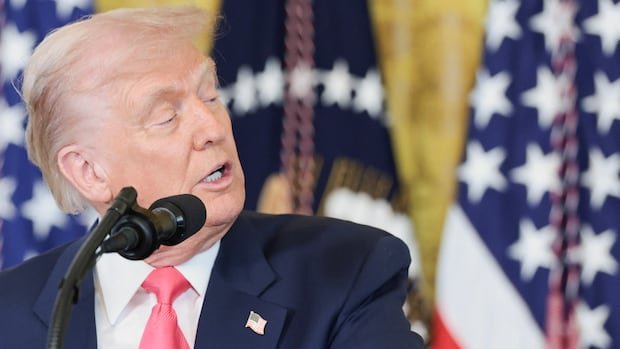

The BBC issued an apology to President Donald Trump on Thursday for a misleading edit of his speech on Jan. 6, 2021, stating they did not defame him and rejecting his $1 billion US lawsuit threat. In a personal letter to the White House, BBC’s chair Samir Shah expressed regret over the editing of Trump’s speech before his supporters breached the U.S. Capitol during the certification of President-elect Joe Biden’s victory in the 2020 election.
Acknowledging the unintentional misrepresentation in the edit, the BBC clarified that the spliced segments from different parts of the speech created a false impression of Trump inciting violence. The network confirmed that there are no intentions to rebroadcast the documentary containing the controversial edit.
Trump’s legal team had demanded an apology and threatened a $1 billion US lawsuit over the alleged harm caused by the edited documentary. Although the BBC did not address the compensation demand in their statement, they made it clear that they would not pay any damages as requested by Trump.
The dispute arose from an episode of BBC’s investigative series “Panorama — Trump: A Second Chance?” aired ahead of the 2024 U.S. presidential election. The production company behind the film had combined excerpts from different sections of Trump’s speech to create a misleading impression of him urging supporters to engage in violent actions, omitting his call for peaceful demonstrations.
Following the controversy, BBC’s director-general Tim Davie and news chief Deborah Turness resigned, taking responsibility for the damaging impact on the organization. Despite Trump’s threats of legal action, experts have pointed out potential challenges in pursuing a lawsuit due to jurisdictional issues and the lack of substantial harm caused by the documentary.
While Trump has a history of engaging in legal battles against media outlets, the complexities surrounding this case, including expired deadlines for defamation claims and limited viewership of the documentary in the U.S., may pose obstacles to a successful court case. Nonetheless, the president could leverage the situation to seek a settlement, potentially directing any proceeds to a charitable cause.