
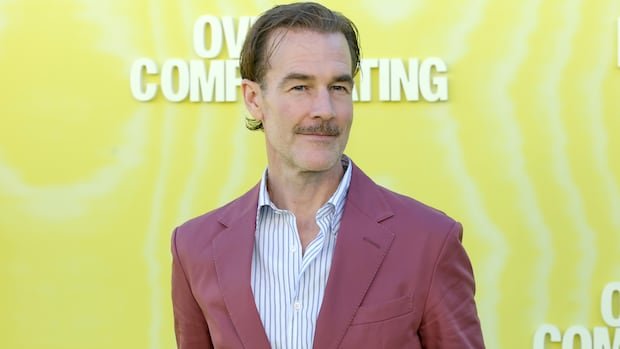

When James Van Der Beek, known for his role in “Dawson’s Creek,” passed away from colorectal cancer at 48, it triggered a significant wave of sorrow and support. However, it also sparked questions about a GoFundMe campaign set up for his family, which has raised over $2.7 million US so far. The fund was established to assist his wife and six children with essential expenses, bills, education costs, and to maintain their lifestyle to prevent potential financial struggles.
The response from the public and media was swift, with culture critic Pablo The Don noting the surprise and questioning the sudden need for financial support despite Van Der Beek’s long-standing presence in TV and movies. This scenario is not unique to Van Der Beek, as more celebrities and their circles are turning to crowdfunding efforts to help their loved ones instead of directing donations to broader causes, which is a departure from past norms.
The trend has drawn criticism, especially when individuals perceived to be financially stable seek donations from their fans. The case of Eric Dane, the “Grey’s Anatomy” actor who recently passed away after battling ALS, also saw a GoFundMe campaign created to support his daughters and their future needs, raising over $400,000 US. Similarly, various campaigns aiding Erika Kirk, widow of right-wing commentator Charlie Kirk, collected millions, although the origins of some campaigns remain unclear.
Celebrities like Mandy Moore have faced backlash for asking for financial assistance, as she did to help her brother-in-law and his spouse after they lost their home in wildfires. The debate around celebrity crowdfunding has intensified in recent years, with notable figures such as Alyssa Milano, Brittany Mahomes, Megan Fox, and Kylie Jenner facing public scrutiny for initiating fundraising efforts for personal causes.
The controversy surrounding these campaigns stems from the perception of inequality and the notion that celebrities could easily cover the costs themselves. Health sciences professor Jeremy Snyder highlighted the disparity in attention and donations received by famous individuals compared to ordinary people facing similar challenges. The reliance on crowdfunding as a substitute for insurance, predominantly benefiting celebrities, has raised concerns about fairness and access to financial support.
Despite the critiques, there is acknowledgment of the courage it takes for public figures to seek help publicly, especially in times of personal crisis. While some argue that celebrities should leverage their platforms to address systemic issues, others emphasize the human aspect of needing assistance in times of hardship. The debate surrounding celebrity crowdfunding reflects broader societal issues of wealth distribution and compassion for those navigating personal struggles.
Overall, the evolving landscape of celebrity crowdfunding underscores the complexities of public perception, financial support mechanisms, and societal expectations, prompting a reevaluation of how we view assistance, privilege, and compassion in the public eye.