
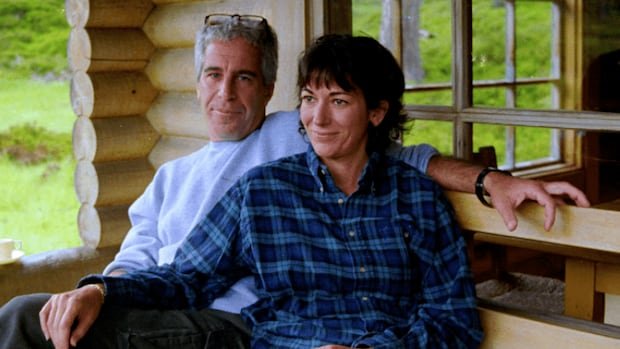

Buried within the recent release of Jeffrey Epstein documents is an email from law enforcement with the subject line “Co-conspirators.” This email, dated July 7, 2019, reveals efforts by police and prosecutors to locate 10 individuals allegedly involved in Epstein’s illicit activities.
Following Epstein’s arrest, an FBI agent in New York inquired about the status of these co-conspirators, but subsequent emails showed that seven of the 10 names were redacted, leaving their identities hidden. Another email from May 2020 referenced a memo listing potential wrongdoers without specifying any names.
Victims of Epstein’s abuse and their advocates have been pushing for transparency regarding those who aided the prolific offender, who victimized over 1,000 women and children. The Epstein Files Transparency Act mandated the disclosure of all unclassified DOJ records related to the case, except for information that could compromise victims’ identities or ongoing investigations.
Critics, including survivor Sharlene Rochard, have criticized the redactions in the released documents, calling them “ridiculous” and accusing the DOJ of protecting predators. While some names like Ghislaine Maxwell, Jean-Luc Brunel, and Les Wexner have been mentioned publicly, advocates argue that more transparency is needed to uncover the full extent of the wrongdoing.
Republican Rep. Thomas Massie has suggested that up to 20 men linked to Epstein may be involved in sex crimes, though the release of their names remains uncertain. Lawmakers like Rep. Ro Khanna have demanded further disclosures and threatened legal action if the DOJ fails to comply.
Meanwhile, victims’ lawyer James Marsh emphasized the importance of naming the co-conspirators and releasing relevant documents, pointing out the challenges posed by the current lack of transparency. The ongoing debate over redacted information and delays in disclosure continues to fuel suspicions of a cover-up within government institutions.