
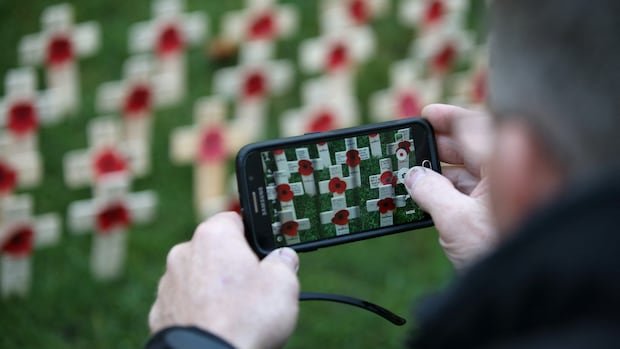

Remembrance Day serves as a time for reflection on the past, particularly on war and sacrifice. In today’s digital age, conflicts are no longer restricted to history books; they unfold in real-time on our mobile devices. Whether it’s the unrest in Ukraine, Gaza, or Sudan, we are constantly exposed to a barrage of information, shaping our perceptions through personalized news feeds.
Psychology professor Steve Joordens notes the shift from a shared narrative in past generations to individualized news consumption. This customization of information may threaten the collective memory that Remembrance Day ceremonies once helped foster. The constant exposure to distressing content can lead to what Joordens calls “shallow memory,” impacting how our brains process and store memories.
Clinical psychologist Dr. Katy Kamkar observes a phenomenon called “digital war fatigue,” where individuals experience emotional overload due to continuous exposure to traumatic events. This saturation of distressing images triggers physiological stress responses, affecting our ability to form deep memories. The relentless stream of information can also lead to empathy overload, causing emotional shutdown in response to harrowing stories.
Psychologist Dr. Alison Holman raises concerns about the erosion of trust in humanity as people become desensitized to violence and conflict. The proliferation of misinformation alongside real news on social media platforms contributes to a growing sense of cynicism and division among society. Foreign policy analyst Marcus Kolga emphasizes the importance of preserving basic information integrity to combat the spread of disinformation and maintain societal trust.
Former Canadian Armed Forces officer Jay Janzen highlights the strategic manipulation of morale and public sentiment in modern warfare. He warns that the rapid dissemination of information through digital channels poses challenges to societal cohesion and resilience. As individuals grapple with navigating a landscape of conflicting narratives, establishing boundaries on media exposure and seeking genuine connections can help mitigate the effects of information overload.
While regulatory measures and transparency in online platforms are crucial, sustainable resilience requires long-term investments in civic education and social cohesion. Without concerted efforts to address the erosion of trust and empathy in society, the significance of remembrance risks being overshadowed by the relentless battle for attention in the digital age.