
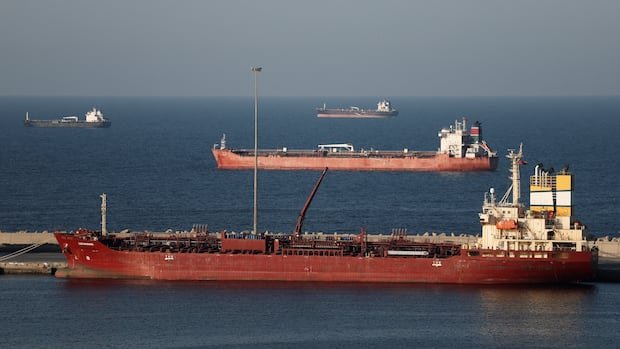

The stunning scenery of the Strait of Hormuz, with its dramatic cliffs towering over the Arabian Sea, now stands eerily quiet. This vital route, usually bustling with over a hundred of the world’s largest oil and liquid natural gas (LNG) tankers daily, has only seen a few vessels this week.
These brave ships navigate the front lines where U.S. and Iranian naval forces confront each other. Over 14 commercial vessels have faced violent incidents, resulting in at least eight mariners losing their lives.
Along with ships, oil and gas facilities have also been targeted. Smoke continues to billow from burning fuel tanks at Oman’s Port of Salalah.
Iran, controlling one side of the narrow strait, has declared it closed and labeled any vessel heading toward the U.S., Israel, or their allies as a “legitimate target.”
The blockade of the Strait of Hormuz, through which a fifth of the world’s oil and LNG flows, has led to global oil shortages and price hikes. Iran predicts oil prices could soar to over $200 US per barrel, double the current rates and far exceeding pre-war levels of $72.
Despite a significant intervention by the International Energy Agency (IEA) to mitigate the impact, releasing 400 million barrels from global strategic reserves, the situation remains dire. The IEA, comprised of major oil-consuming nations, aimed to cushion the effects of the crisis.
Sal Mercogliano, a naval historian and maritime expert at Campbell University in North Carolina, criticized the U.S. for its lack of preparedness, stating, “The United States completely blew this.”
- Just Asking: What questions do you have about the impact of the U.S.-Iran conflict on oil prices?Send us your questions before our March 14 broadcast
President Donald Trump downplayed the crisis as temporary and manageable, urging oil companies to continue using the sea lanes and offering enhanced insurance coverage. He vowed to confront Iranian forces in the Strait of Hormuz if needed, asserting U.S. military supremacy.
Trump relies on the strength of the U.S. military, claiming to have neutralized Iran’s navy and mines without providing evidence, employing what experts liken to gunboat diplomacy reminiscent of colonial power dynamics.
Unconventional Maritime Warfare
The narrow and shallow nature of the Strait of Hormuz, only 60 meters at its shallowest point and 33 kilometers at its narrowest, poses challenges for re-establishing shipping routes.
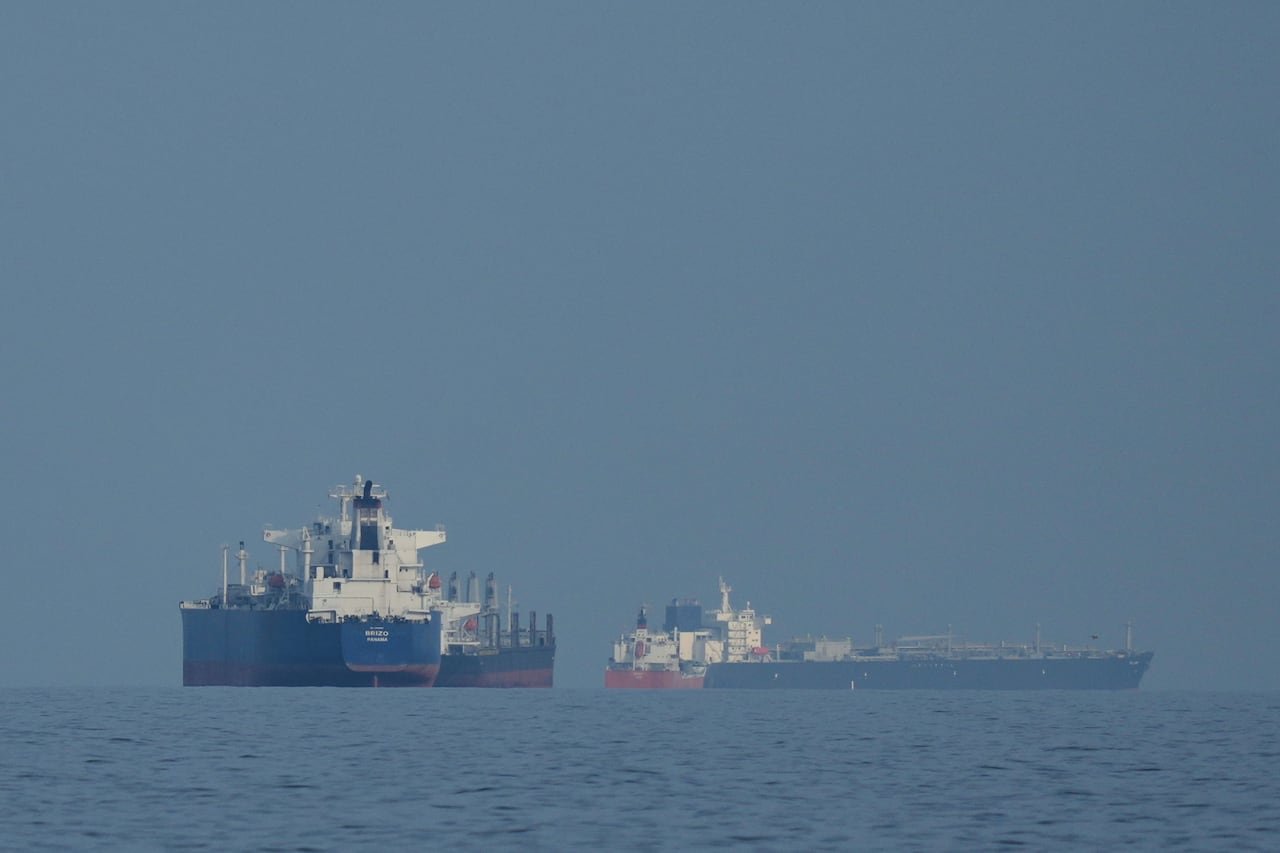
Naval experts, such as retired Canadian navy vice-admiral Mark Norman, doubt the feasibility of U.S. efforts to resume shipping operations in the region.
Asymmetrical warfare presents a significant challenge, with the U.S. deploying a limited number of costly large vessels, including aircraft carriers, destroyers, and submarines. Iran’s unconventional naval tactics, such as fast speedboats and anti-ship missiles, pose a formidable threat to maritime traffic.
Norman characterizes Iran’s strategy as maritime guerrilla warfare, emphasizing the potency of mines as a lethal threat to ships in the strait.
He warns that mines, relatively inexpensive yet capable of causing extensive damage, could disrupt naval operations and commercial shipping severely.
Risks of Tanker Escorts
In 1988, the USS Samuel Roberts struck an Iranian mine in the Persian Gulf, highlighting the dangers of navigating these waters. Large U.S. naval vessels escorting tankers through the strait face similar risks, which the U.S