
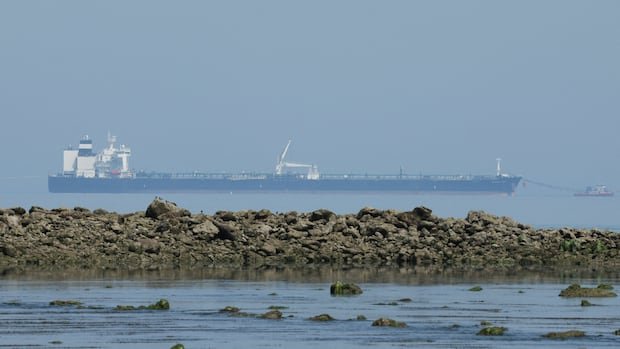

The United States has granted a 30-day license for countries to purchase Russian oil and petroleum products currently stranded at sea. This move aims to stabilize global energy markets, which have been disrupted by the conflict in Iran. The announcement follows the U.S. Energy Department’s decision to release 172 million barrels of oil from the strategic petroleum reserve to address the soaring oil prices.
The International Energy Agency, consisting of 32 nations, has committed to releasing a total of 400 million barrels of oil in response to the significant oil supply disruption caused by the Middle East conflict. Treasury Secretary Scott Bessent emphasized that the license allowing the purchase of Russian oil is a short-term measure and is not intended to provide substantial financial benefits to the Russian government.
Ukrainian President Volodymyr Zelenskyy expressed concerns that the license could generate billions in revenue for Russia and hinder peace efforts. The decision has also sparked criticism from Ukraine’s allies, including Canada and Germany, who maintain sanctions on Russia. The U.S. has been involved in mediation efforts between Ukraine and Russia to end the ongoing conflict.
The license issued by the U.S. Treasury permits the delivery and sale of Russian oil and petroleum products loaded on vessels as of March 12, valid until April 11. The waiver has drawn criticism from Senate Democrats, who believe it could bolster Putin financially and prolong the conflict in Ukraine. The Trump administration is exploring various measures, such as waiving the Jones Act to facilitate the movement of energy and agricultural products between U.S. ports.
With approximately 124 million barrels of Russian-origin oil at sea globally, the U.S. license is expected to provide around five to six days of supply, considering the daily loss of oil from the Strait. Russia views the U.S. sanctions waiver on its oil as a mutual effort to stabilize global energy markets. President Trump stated that the U.S. stands to benefit financially from higher oil prices resulting from the conflict, a statement that has faced criticism from lawmakers.
The escalating tensions in the Middle East, triggered by U.S. and Israeli actions against Iran and Tehran’s retaliatory measures, have disrupted oil and gas flows in the region. Iran’s threat to block oil shipments from the Gulf unless the attacks cease has further heightened concerns for the global economy.