
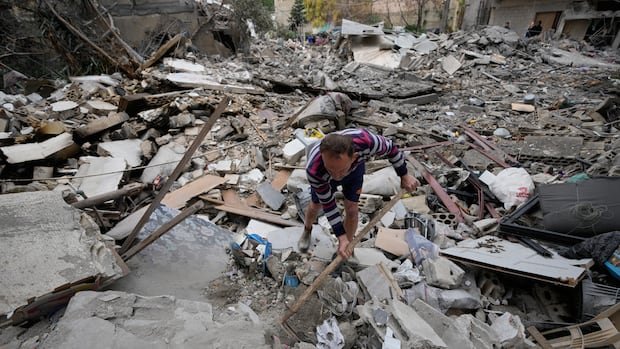

Israeli forces have reportedly stopped their advancement into Lebanon before reaching the Litani River. Despite this, the Israeli government remains determined to reoccupy southern Lebanon, a territory it controlled from 1982 to 2000.
When questioned about Canada’s response to the situation, Prime Minister Mark Carney faced similar inquiries as his predecessor Stephen Harper did two decades ago. Harper, in 2006, faced backlash for defending Israeli actions, including attacks that resulted in civilian casualties, such as the bombing of a UN base and Beirut International Airport.
In a contrast to Harper’s stance, Carney criticized Israel’s invasion, calling it illegal and a violation of Lebanon’s sovereignty. This shift in Canadian reaction reflects changing attitudes towards Israel’s military actions.
The ongoing conflict in 2026 bears similarities to the 2006 war, with Israel citing Hezbollah’s activities near the border as justification for its military operations. However, the political landscape has evolved since then, with Israel facing increasing isolation on the global stage.
Lebanon, already grappling with various crises, now questions Hezbollah’s role in dragging the country into conflict. The country’s fragile state raises concerns about the impact of the current war and the potential displacement of its population.
Public opinion in Canada has shifted, with a growing recognition of Israel’s actions as crossing ethical boundaries. This shift, coupled with Lebanon’s ongoing challenges, paints a grim picture of the current situation in the region.
Hezbollah, once a dominant force in Lebanon, is now facing scrutiny for its actions and perceived alignment with Iran’s interests. The Lebanese government’s efforts to disarm Hezbollah face challenges amid the escalating conflict with Israel.
The Israeli military’s operations in southern Lebanon have raised fears of displacement and destruction, echoing past conflicts in the region. The situation remains volatile, with concerns about potential annexation and settlement by Israel in Lebanese territory.
As the conflict unfolds, the impact on civilian populations and the geopolitical implications raise concerns about the future stability of the region. The evolving dynamics in the Middle East underscore the complex challenges faced by all parties involved.