
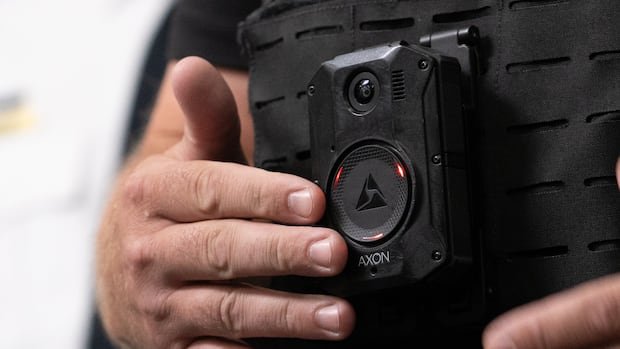

In December, numerous Edmonton police officers were on patrol in the city with body cameras utilizing facial recognition powered by artificial intelligence to identify individuals considered “high-risk offenders.” Revelations from documents and emails obtained by CBC News shed light on the Edmonton Police Service’s trial of this technology, marking the first use of bodycam facial recognition by a Canadian police agency.
The AI-driven facial recognition software was programmed to recognize approximately 7,000 individuals on a watchlist compiled from mugshots of individuals with serious criminal warrants or flagged for potential safety concerns. Noteworthy points from the obtained documents include the submission of a privacy assessment to Alberta’s privacy watchdog, which experts believe could potentially lead to sharing sensitive information. Additionally, a system outage labeled as a “critical fault” caused a temporary halt in matching operations, potentially prolonging the pilot project.
The facial recognition model utilized in the trial was provided by Corsight AI, an Israeli company known for its technology deployed in mass surveillance in Gaza. Despite requests for information on the project, Edmonton Police Service has refrained from addressing specific queries from CBC News regarding the facial recognition initiative.
Experts, like Kate Robertson from the University of Toronto’s Citizen Lab, have voiced privacy concerns over the project and the implications of facial recognition technology. The oversight body, Edmonton police commission chair Ben Henderson, stated that the commission had no objections to the pilot as it was focused on data collection for further evaluation, following standard review procedures for new technology.
Edmonton police officers are mandated to wear body cameras, which are activated manually during investigative or enforcement activities. Similarly, the facial recognition feature requires manual activation and has limitations in poor lighting conditions or when the subject is over four meters away. The privacy assessment submitted to the Office of the Information and Privacy Commissioner (OIPC) detailed EPS’s safeguards and legal justifications for the project.
The controversy surrounding AI-driven facial recognition on police bodycams has sparked debates on privacy and ethics. While EPS defends the compliance of their project with privacy policies and standards, critics like Gideon Christian have raised concerns over the use of such technology. The future of the project hinges on the results of the initial trial phase, pending review and decisions by the Edmonton police commission and EPS leadership.