
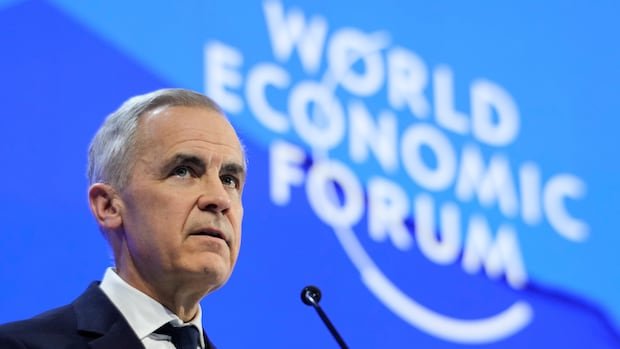

Mark Carney’s international travels as prime minister surpassed those of Justin Trudeau, with a significant time spent in Mumbai, India, coinciding with the U.S. and Israel initiating a conflict against Iran on February 28. In a departure from his previous stance on upholding the UN Charter, Carney expressed support for the U.S. actions to prevent Iran from acquiring nuclear weapons and threatening global peace and security.
This shift in approach marked a departure from Canada’s previous “feminist” foreign policy branding, signaling a move towards a more pragmatic and principled direction. The decision faced criticism from former foreign minister Lloyd Axworthy, who emphasized the importance of opposing “wars of choice” and maintaining a consistent stance on international conflicts.
Carney’s response to the U.S.-Israeli conflict drew mixed reactions, with some questioning the alignment with European allies and raising concerns about the implications of such decisions on Canada’s sovereignty and international standing. However, subsequent statements from Carney emphasized the adherence to international law and the need for de-escalation in the conflict.
While Carney’s approach on trade issues showcased a bolder stance, particularly in disputes like provincial liquor bans, critics highlighted a perceived reluctance to assert Canada’s position on international law and human rights violations in conflicts. The need to balance pragmatic considerations with principled stances in foreign policy decisions remained a topic of debate among political observers.
Despite facing constraints due to military dependence on the U.S., Carney’s administration grappled with evolving global security challenges, including nuclear threats from Russia and China. The shifting dynamics of international relations underscored the complexities of Canada’s foreign policy landscape and the delicate balance between upholding principles and ensuring national security interests.
As discussions on international law, sovereignty, and strategic alliances continue to shape Canada’s diplomatic engagements, the role of middle powers in navigating geopolitical tensions and safeguarding core values remains a focal point for policymakers and analysts alike.