
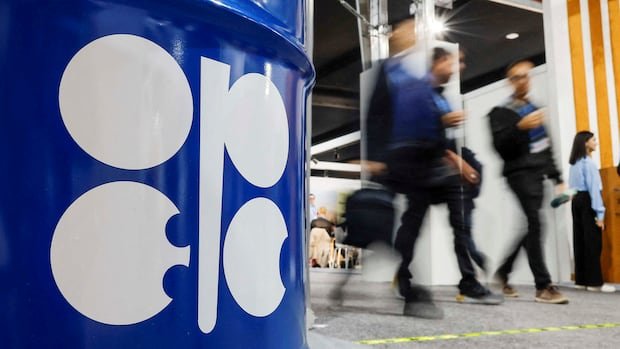

The United Arab Emirates has announced its decision to depart from the Organization of the Petroleum Exporting Countries (OPEC) and OPEC+ effective this Friday amid a significant energy crisis stemming from the Iran conflict, which has laid bare divisions among Gulf nations.
Having been a longstanding member of OPEC since its affiliation through Abu Dhabi in 1967 and later as an independent nation in 1971, the UAE’s exit weakens OPEC’s influence over global oil supplies, particularly as one of the group’s major producers. This move also exacerbates tensions with Saudi Arabia, the de facto leader of OPEC.
With the UAE’s departure from OPEC, it gains the flexibility to boost its oil output once Gulf exports resume without being bound by OPEC production limits. The decision, announced through the state-run WAM news agency, aligns with the UAE’s strategic vision and evolving energy landscape, emphasizing its commitment to a responsible role in global energy markets.
Energy Minister Suhail Mohamed al-Mazrouei explained that the choice was made after careful consideration of the nation’s energy strategies, clarifying that the UAE did not engage with Saudi Arabia or any other country on this matter. The strained relations between the UAE and Saudi Arabia, coupled with security concerns due to Iranian threats and attacks on vessels, have added complexity to the region’s energy dynamics.
The UAE’s departure from OPEC comes as a boon for U.S. President Donald Trump, who has criticized OPEC for manipulating oil prices. The move also underscores the changing geopolitical landscape, where regional alliances are shifting, and self-interest prevails. While the immediate market impact may be limited due to ongoing supply constraints from the Iran conflict, the long-term implications on oil market stability and supply-demand dynamics remain uncertain.