
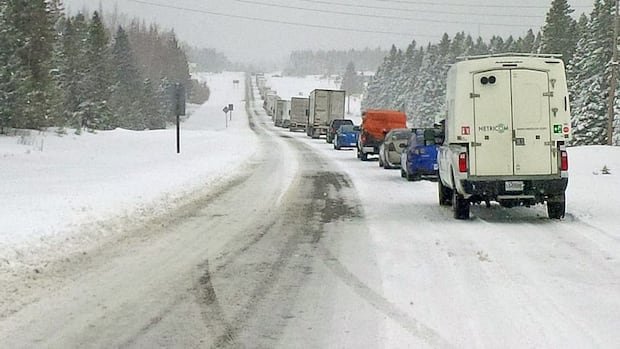

A recent study by fleet management and safety company Samsara has identified Ontario as home to over half of Canada’s most hazardous winter roads. Factors such as weather conditions, wildlife presence, and urban settings play a role in contributing to road collisions.
Samsara’s analysis, based on data collected from fleet vehicles between 2022 and 2025, highlighted the top 10 risky winter spots across the nation. Topping the list is Erieau Road, located in the Chatham-Kent region near Lake Erie. The road’s proximity to the lake results in significant impacts from wind and moisture, leading to a winter crash rate six times higher than the next location on the list.
Utilizing artificial intelligence sensors and cameras installed in all fleet vehicles, Samsara monitored crash incidents, harsh braking, and speeding over a three-year period. According to Kelly Soderlund, head of insights at Samsara, the identification of crash “clusters” in various regions serves as a warning for both commercial and passenger vehicle safety.
Other perilous roadways in Ontario include Highway 17 in Kenora-Dryden, Highway 11 in Hearst-Kapuskasing, and the Queen Elizabeth Way along the Burlington Skyway. Highway 401 in Ontario also features on the list, with two separate danger zones identified in Mississauga and the collector-express weave between Toronto Pearson Airport and Scarborough.
Despite the data indicating high risks on Ontario highways, Canadian Automobile Association (CAA) spokesperson Nadia Matos believes that Ontario’s highways rank among the safest in North America. Matos emphasized the importance of acknowledging increased winter collisions due to heightened travel activity during the season while maintaining that overall road safety remains favorable.
Soderlund emphasized that dangerous road hotspots often fall into three main categories: areas near water prone to severe winter conditions, remote regions with abundant wildlife leading to unexpected collisions, and busy zones with a mix of commercial and passenger vehicles increasing crash probabilities. She urged drivers to exercise caution and vigilance in such environments to reduce accident risks.
The study also revealed that winter witnesses the highest volume of road crashes, with over a third of incidents occurring during the colder months. Soderlund highlighted the heightened risks during transition days before and after holidays, when adverse weather conditions and increased traffic density pose significant dangers on the roads.
In light of these findings, CAA is advising drivers to adopt a cautious approach during the holiday season, emphasizing the importance of slowing down, eliminating distractions, and maintaining full attention on the road to ensure safety for all travelers.