
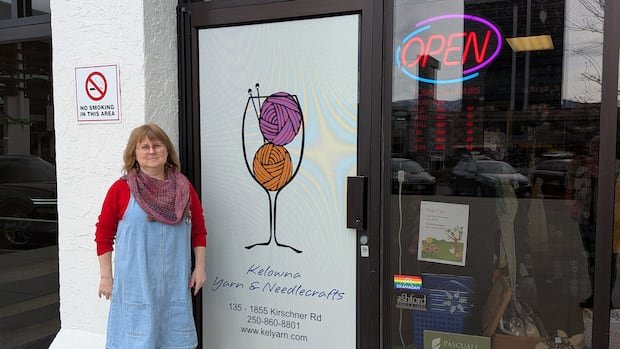

Starting October 1, British Columbia will no longer exempt yarn and clothing materials from provincial sales tax. This decision, outlined in the province’s 2026 budget, targets goods and services previously considered essential but now subject to PST, including clothing patterns, yarn, fabric, and other materials commonly used in garment creation and repair.
The removal of exemption extends to services related to clothing and footwear, with the exception of basic laundry services. Cheryl Brown, the owner of Kelowna Yarn & Needlecrafts, expressed concern over the impact on customers who prefer a more sustainable and hands-on approach to fashion, emphasizing quality over fast fashion.
Brown highlighted the potential financial strain on fixed-income customers, particularly as yarn prices have been on the rise. She noted that many customers, dedicated to crafting long-lasting garments, may face tough choices due to the additional seven-percent tax burden.
In response, a Ministry of Finance spokesperson explained that expanding the PST base aims to diversify revenue sources to safeguard essential services like healthcare and education. The spokesperson clarified that aligning B.C.’s tax policies with other provinces was a contributing factor to this decision.
Brown, who authored a Master’s thesis on the health benefits of activities like knitting, emphasized the social and mental well-being aspects of her business. She expressed worries about the potential impact on community spaces like hers, which offer social connections and support.
Despite concerns, many customers remain unaware of the impending tax change, prompting uncertainty about the future of businesses like Kelowna Yarn & Needlecrafts. Brown highlighted the irony of governments promoting community building while seemingly penalizing those seeking such connections through local businesses.
The move to tax yarn and related materials in British Columbia reflects a broader fiscal strategy to ensure sustainable revenue streams while potentially impacting local businesses and customers who prioritize sustainable and community-oriented fashion practices.