
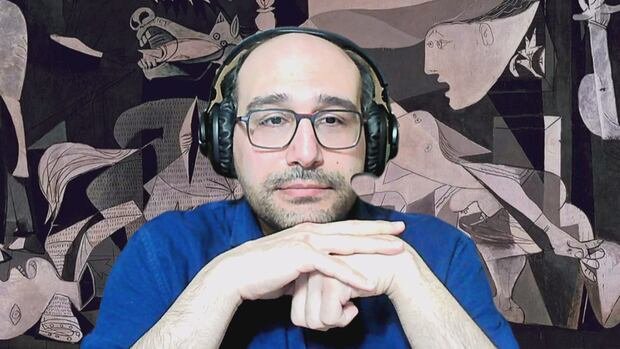

Shayan Morshedi, a PhD student at Memorial University originally from Iran, anxiously stayed awake as the United States and Israel carried out attacks on Iran. He quickly reached out to his family and friends back home through messaging, anticipating internet shutdown. Utilizing Telegram, an encrypted social media app, Morshedi kept in touch with anonymous Iranians who provided him with updates on the situation.
Expressing conflicted emotions, Morshedi reacted to the news of Iran’s supreme leader, Ayatollah Ali Khamenei, being killed in the airstrikes. While acknowledging some relief, he mourned the loss of lives and expressed anger towards the ongoing situation. Activists reported a significant death toll from Iran’s violent suppression of nationwide protests.
Despite his desire for accountability for the regime’s actions, Morshedi remains skeptical about the possibility of a regime change following Khamenei’s death. He emphasized that the regime represents an ideology and system rather than a single individual. Hoping for a referendum to determine the country’s future, Morshedi envisioned a peaceful resolution and reconstruction.
Meanwhile, retaliatory attacks launched by Iran against U.S. military bases in the Middle East, including Qatar and the United Arab Emirates, led to the shutdown of regional airports. Canadians were advised against traveling to the area due to safety concerns. Residents in Qatar, like Allison Furlong, experienced a tense atmosphere as missiles were intercepted, prompting government alerts to stay indoors and seek shelter.
Furlong, a longtime resident of Qatar, expressed reliance on the missile defense system and hoped for continued interception of incoming projectiles. The situation continued to evolve, with Qatar reporting ongoing interception efforts. The Canadian government’s cautionary stance on travel to the region highlighted the widespread fear and uncertainty prevailing across the Middle East amidst escalating tensions.