
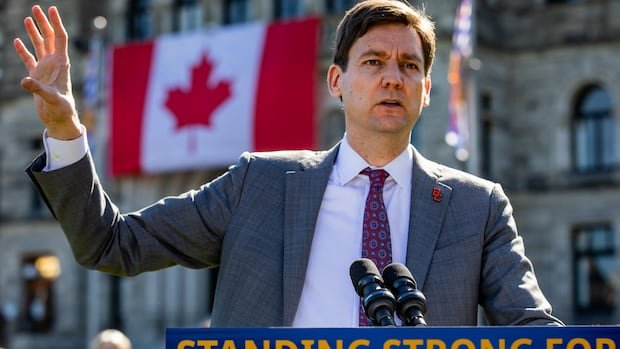

A bill in British Columbia aimed at expediting the construction of a multibillion-dollar power transmission line that would double the electricity flow from Prince George to Terrace successfully passed its third reading in the provincial legislature on Thursday. The North Coast Transmission Line, championed by Premier David Eby, is designed to boost electricity supply in the northern region, supporting vital mineral projects and LNG terminals.
Despite efforts from the Official Opposition and the B.C. Green Party to delay or amend it, Bill 31, also known as the Energy Statutes Amendment Act, 2025, was approved with the backing of the B.C. NDP’s slim majority in the legislature. The government highlighted the necessity for new transmission infrastructure to drive clean economic growth when unveiling the project as part of a strategic plan to expand the province’s power grid and enhance economic diversity.
This initiative is a key component of Eby’s Look West employment strategy unveiled recently. The North Coast Transmission Line is identified as one of the major projects subject to expedited permitting and approval review by Prime Minister Mark Carney. The estimated cost of the project is $6 billion, with the Canada Infrastructure Bank set to provide a $140 million loan to B.C. Hydro for the endeavor.
Charlotte Mitha, president and CEO of B.C. Hydro, expressed pride in advancing the North Coast Transmission Line in collaboration with First Nations and the provincial government. The B.C. Conservatives attempted unsuccessfully to hinder the bill’s progress by proposing a hoist motion in the legislature, arguing against the need for legislation to construct the transmission line and questioning the province’s electrical capacity to support it.
The B.C. Green Party’s MLAs initially supported the bill with hopes of amending it to enhance transparency and accountability and establish clear criteria for electricity allocation by a public utility. However, as their proposed amendments were not accepted, the Greens ultimately voted against the bill. They voiced concerns about the project primarily benefiting LNG endeavors rather than fostering long-term investments in clean energy. Additionally, they criticized the lack of sufficient engagement and consultation with First Nations in the project planning process.
Despite opposition, some Indigenous groups like the Nisga’a Nation and affiliated economic entities like K’uul Power have expressed support for the North Coast Transmission Line project. With the passage of Bill 31, concerns have been raised about potential discretionary decision-making by the government, influenced by lobbyists or industry pressures, regarding power allocation without independent oversight.