
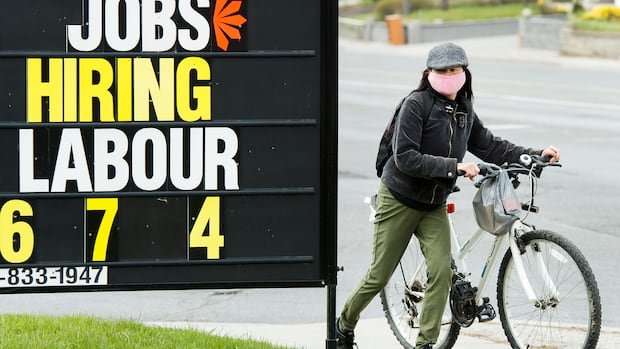

A recent year-end survey conducted by Nanos indicates that Canadians are looking for the Liberal government to address key economic issues in the upcoming year. Jobs and the economy were highlighted as the top concerns by just over 20% of respondents, surpassing other priorities such as relations with the United States and President Donald Trump. Inflation, healthcare, and immigration were also among the top five worries for Canadians.
Another Nanos poll, released this week, reveals that consumer confidence remains neutral as the new year approaches. Chief data scientist Nik Nanos mentioned that throughout 2025, the economy and U.S. relations vied for attention among voters. The uncertainty surrounding trade with the U.S. is contributing to concerns about Canada’s economic performance in 2026.
Consumer sentiment about personal finances is pessimistic, leading to a sense of uncertainty moving forward. The potential impact on major purchases and the economy in the coming year remains uncertain. Prime Minister Mark Carney, who came to power earlier this year, has positioned himself as adept at handling economic challenges and relations with the U.S.
The Liberal government, led by Carney, gained additional seats in 2025, bringing them close to a majority. However, should the minority government face a confidence vote defeat, a federal election might be triggered. Polling data shows the Liberals ahead of the Conservatives, with Carney maintaining a higher preferred prime minister rating.
Despite the desire for action on issues like housing costs and groceries, Canadians may be skeptical of promises to resolve long-standing cost-of-living problems. The potential impact of these concerns on the upcoming election and the contrasting strengths of Carney and Conservative leader Pierre Poilievre are being closely watched.
The New Democratic Party’s role in the next election could be pivotal, with their support potentially influencing the balance between the Liberals and Conservatives. As the new year unfolds, Canadians will be looking for progress on economic challenges, and both parties will need to address voter expectations effectively.