
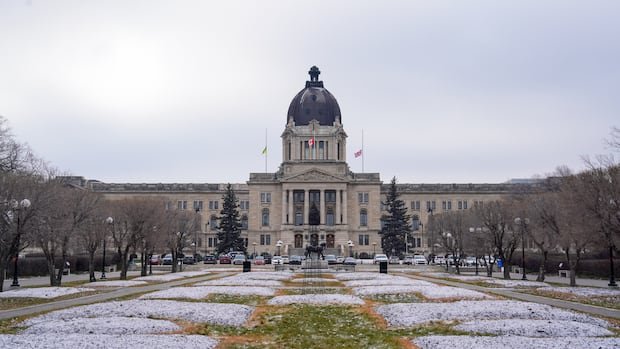

Saskatchewan’s 2026-27 provincial budget, presented by Finance Minister Jim Reiter, indicates that the province will continue to operate with deficits until the end of the decade. The budget projects an $819.4 million deficit for the upcoming fiscal year, with a revised $1.21 billion deficit for the previous year.
The government aims to achieve a surplus of $124.1 million by 2030-2031, driven by sustained economic growth, program adjustments, and a reduction in the provincial workforce through attrition. The plan includes a three per cent reduction in executive government and across Crown corporations, with approximately 300 positions expected to be eliminated in each sector over two years.
Named “Protecting Saskatchewan,” the budget emphasizes no tax increases or service cuts, maintaining the small business tax at one per cent. It allocates $17.5 billion for capital projects over the next four years and pledges the largest expansion of nurse practitioners in provincial history through the Patients First Health Care Plan.
While Saskatchewan’s deficit projection is substantial, it falls short of the record deficit projected in the 2020-2021 budget. Opposition leader Carla Beck criticized the Saskatchewan Party for delivering a deficit budget without addressing inflation. She highlighted the province’s increased debt under Premier Scott Moe compared to previous administrations.
The budget outlines a $1.2 billion deficit for the 2025-26 fiscal year, attributing the shortfall to increased expenses related to wildfires and human services demands. Revenue for the upcoming fiscal year is projected at $21.4 billion, driven by rises in provincial sales tax and federal transfers.
The budget reflects the province’s reliance on natural resource revenue, with non-renewable resource revenues estimated at $2.6 billion. The government anticipates decreased oil revenue offset by higher potash revenue and stable uranium revenue. External factors like the conflict in the Middle East contribute to oil price volatility, impacting revenue projections.
In the justice sector, the budget includes measures to enhance the court system’s accessibility and efficiency. Increased funding for social services, health care, mental health, and addictions services is also outlined, with specific initiatives to address various needs across the province. Additionally, the budget allocates resources for education and post-secondary institutions, including funding increases and new initiatives.
Municipalities will receive increased revenue sharing, but municipal leaders express concerns about rising infrastructure costs. They advocate for more revenue-raising options and await potential federal support for infrastructure projects. The budget underscores the province’s efforts to navigate fiscal challenges amid evolving economic conditions and external uncertainties.