
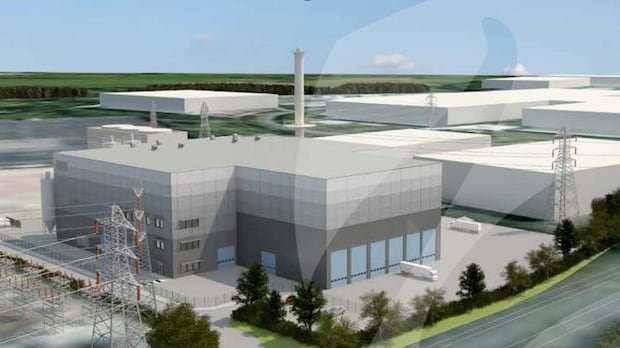

A proposed $400 million facility in Edmonton aimed at converting landfill waste into electricity faces potential cancellation due to a recent carbon tax agreement between the Alberta and federal governments. The original plan was for the national industrial carbon price to increase to $170 per tonne by 2030. However, a revised deal reached last month by Prime Minister Mark Carney and Alberta Premier Danielle Smith has adjusted this target to $130 per tonne by 2040.
The policy change poses a significant challenge for Varme Energy, the company behind the waste-to-energy project, which involves capturing greenhouse gases and storing them underground to generate carbon credits. With the lower carbon price, the value of these credits would diminish, impacting the project’s financial viability. CEO Sean Collins expressed concerns that without additional policy adjustments in the coming months, the company may be forced to abandon the initiative.
The agreement between Carney and Smith also includes measures to reduce methane emissions, streamline regulatory processes for major projects in Alberta, and explore a new oil export pipeline to the West Coast. Some large industrial entities had advocated for a lower carbon price to stay competitive with U.S. counterparts, who are not subject to such taxes.
According to Ross Linden-Fraser from the Canadian Climate Institute, a slower and lower carbon price trajectory in Alberta could deter investments in emissions reduction initiatives. Varme Energy, which already has agreements in place with the City of Edmonton’s landfill and provincial permits for electricity production, is now facing financial uncertainty as its operating costs are estimated at around $118 per tonne.
Collins emphasized the urgency of the situation, calling on the federal government for support to ensure the project’s viability. The company’s parent organization, a Norwegian clean energy firm experienced in waste diversion projects, sees the Edmonton initiative as aligned with the government’s goals of attracting foreign investment, reducing emissions, and promoting clean energy production.
The new carbon pricing policy will introduce a minimum price floor for carbon credits, starting at $60 per tonne in 2030 and escalating to $110 per tonne by 2040. This floor is intended to provide companies with confidence to invest in Canada. The federal government emphasized the importance of a strong and predictable carbon market to support investment, emissions reduction, and the competitiveness of Canadian industries.
Other carbon capture companies, including Torchlight, are also feeling the financial strain from the changes in Alberta’s carbon pricing structure. Torchlight is developing a significant carbon capture and storage project in Hinton, which could store 1.6 million tonnes of carbon dioxide annually. The sector is hopeful that additional policy adjustments will allow for better pricing of carbon credits in various markets, ensuring the viability of such projects.
As Varme Energy and other stakeholders navigate the evolving carbon pricing landscape, the sector is closely monitoring key details such as credit calculation methods and potential loopholes. Time is of the essence for Collins and Varme Energy, as the fate of the Edmonton project hangs in the balance. Depending on government support and policy outcomes, construction could commence, but without favorable changes, the project may face cancellation in the near future.