
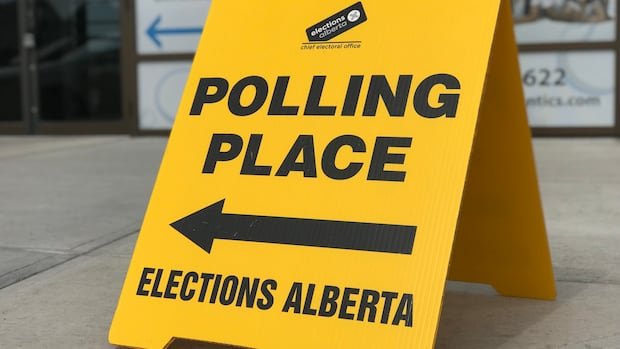

Alberta’s elections agency is facing a challenge as the government plans to redraw provincial ridings ahead of the October 2027 vote. Elections Alberta spokesperson Robyn Bell mentioned that the agency requires 1½ to 2 years to adjust its systems and election plans for the new ridings. However, Premier Danielle Smith’s United Conservatives have announced their intention to revisit the recently proposed boundary changes, potentially leaving Elections Alberta with only a year before the next election.
The review process will be led by a UCP-majority committee of MLAs, impacting the cost of implementation due to the reduced preparation time. Elections Alberta will need to update its systems, election management software, websites, plan for new polling stations, and educate the public on the changes once the riding maps are received.
The controversy over Alberta’s electoral boundaries stems from differing proposals by a bipartisan commission. The majority group, led by commission chair Dallas Miller and two NDP-appointees, suggested dissolving two rural ridings and adding seats in urban areas, while the minority proposed creating hybrid rural and urban ridings. The UCP-appointed minority argued against the majority’s recommendations, leading to accusations of gerrymandering.
Gerrymandering, a political term used to manipulate voting boundaries for partisan advantage, has become a point of contention in Alberta’s redistricting process. Despite opposition claims of potential gerrymandering, Premier Smith assured that Elections Alberta would receive necessary resources for a fair election. The government aims to increase the number of legislature seats to 91, up from 87, based on the majority report’s recommendations.
Smith defended the government’s actions, emphasizing the need for effective representation in the legislature. The upcoming review by a bipartisan panel will utilize feedback from the previous commission to develop new maps, ultimately reporting to the committee of MLAs.