

A professor at Acadia University is fielding inquiries regarding the drought affecting Nova Scotia. Ian Spooner shared that a homeowner in the Annapolis Valley contacted him after their well dried up for the first time, necessitating the use of bottled water. Concerned about recovery, they sought answers from Spooner. This homeowner’s plight mirrors that of many others in the region, where farmers are grappling with failed crops, water conservation measures are in place, and residents are facing dry well situations.
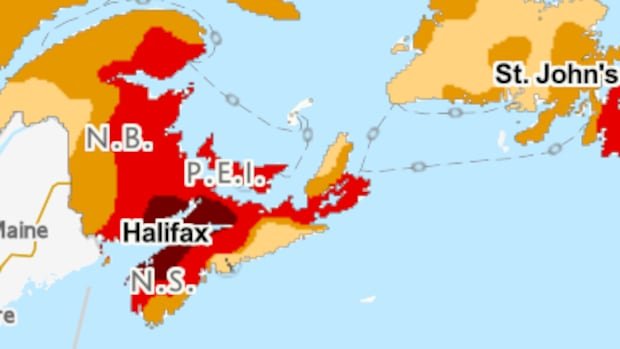
Parts of Nova Scotia and New Brunswick are facing an extraordinary drought labeled as exceptional — the most severe classification on the national scale. The Canadian Drought Monitor’s recent data as of Sept. 30 highlights southwest Nova Scotia and southeast New Brunswick as undergoing a one-in-50-year drought event. Trevor Hadwen, an expert from Agriculture and Agri-Food Canada, emphasized the seriousness of the situation, noting that such extreme conditions were last observed in Nova Scotia during the 1960s.
The monitor’s analysis revealed that various Nova Scotia towns endured their driest three-month periods on record, with Amherst, Greenwood, and Truro setting new records while Halifax marked its third-driest period. Precipitation levels dropped to less than 40% of the normal rate, with significant rainfall shortfalls along the Bay of Fundy and the western part of the province.
Agricultural landscapes across the Atlantic region are classified as abnormally dry or worse, according to the monitor’s assessment. The stress on agricultural, ecological, and water systems is severe, leading to widespread impacts on crops like apples, corn, silage, beans, carrots, blueberries, pumpkins, and potatoes. Hadwen cautioned that long-term ramifications could occur due to the prolonged drought, affecting plant root systems and potentially compromising future growth and water supplies.
The drought’s repercussions extend beyond human food sources, impacting livestock feed availability. Alicia King, president of the Nova Scotia Federation of Agriculture, highlighted the challenges faced by farmers who are now forced to feed livestock earlier than usual due to the deteriorating grasslands.
Despite the grim situation, Ian Spooner aims to provide reassurance to concerned individuals seeking advice on coping with the drought. He stressed the importance of researching land hydrology before considering drilling new wells and suggested staying informed and proactive rather than succumbing to fear. The professor emphasized the need for preparedness in dealing with such crises.
As Nova Scotia grapples with the ongoing drought crisis, experts and residents alike are striving to navigate the challenges posed by the exceptional weather conditions, emphasizing the importance of resilience and proactive measures to mitigate the impact on agriculture and water resources.