
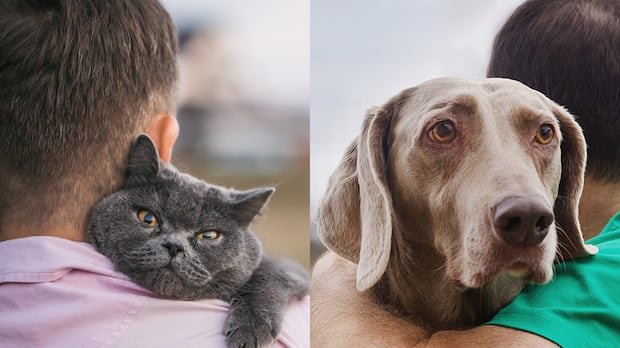


It’s common to see individuals embracing the role of a “pet parent.”
With Canada ranking among the top countries for pet ownership, according to the Canadian Animal Health Institute (CAHI), it’s evident that the bond between Canadians and their pets is strong.
Statistics from the Canadian government reveal that in 2024, over 12 million households in Canada had at least one cat or dog. Cats and dogs remain the most favored pets, with populations of 8.9 million and 8.3 million, respectively.
In addition to cats and dogs, Canadians also cherish birds, fish, and reptiles as part of their family.
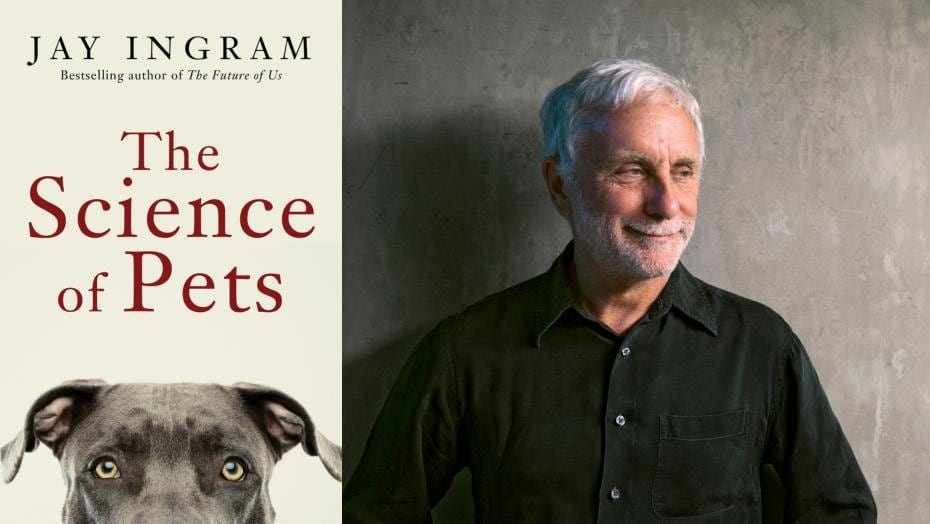
While owning a pet is known to have positive effects on well-being, Jay Ingram, the author of “The Science of Pets,” suggests that the desire to connect with nature goes beyond health benefits.
When questioned about the reasons for keeping pets, Ingram refers to evolutionary biologist Edward O. Wilson’s “biophilia” hypothesis, which highlights humans’ innate connection to other living beings as integral to their humanity.
Driven by the quest to form stronger bonds with animals, scientific endeavors have delved into cloning and understanding animal communication patterns. Ingram shared insights on these topics in a recent interview on The Sunday Magazine. Here are excerpts from their discussion.
Notable figures like Paris Hilton and Tom Brady, who has invested in Colossal Biosciences, have opted for pet cloning. How prevalent is this practice?
Cloning is more widespread than commonly perceived. Referencing a scientific study on a thousand cloned dogs, Ingram notes that the number of cloned dogs has likely increased significantly since then.
He emphasizes that misconceptions about cloning, such as expecting identical replicas, are common. Just as identical human twins exhibit differences, cloned animals also manifest variations, challenging the idea of absolute replication.
While cloning dates back to the 1960s, its objectives have evolved over time. What insights have scientists gained through cloning?
Ingram highlights that contemporary cloning endeavors are primarily driven by economic motives. Notable instances include cloning entire teams of polo horses for their exceptional traits. Although cloning is prevalent in agriculture, its application in reproducing pets remains uncertain.
Human-animal interactions often reveal pets’ intuitive responses to human emotions. How receptive is the scientific community to the concept of animal consciousness?
Ingram acknowledges the scientific community’s openness to exploring animal sentience but emphasizes the complexity of understanding animals’ minds fully. While advancements are being made in deciphering wild animals’ behaviors without human bias, comprehending pets’ cognitive processes, especially in relation to emotions like guilt, remains a challenge.