
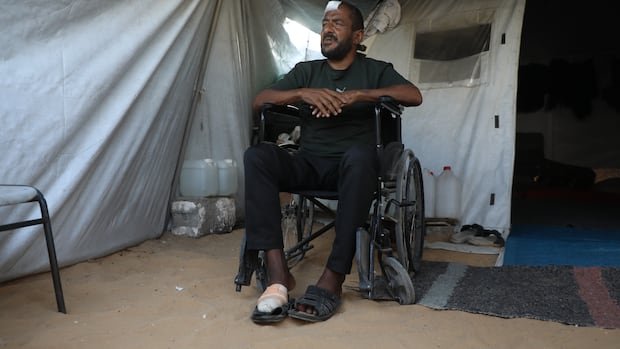

Rats are scuttling around the encampments at Yarmouk Stadium in Gaza City, hidden by the darkness but causing chaos by toppling garbage piles. Displaced Palestinians, seeking shelter after Israeli airstrikes, have set up makeshift tents near a waste dump within the stadium’s remains.
Residents of these tents describe encounters with large black rats that run through the shelters, sometimes biting them while they sleep, exacerbating the spread of diseases. Fathi Subh shared his ordeal, expressing the hardships faced due to the rats and the overall living conditions at the site.
Despite a tenuous ceasefire between Israel and Hamas in October, the United Nations reports that two million Palestinians in Gaza remain displaced, with many residing in tents across the area. The destruction in Gaza has created conducive environments for rat infestations, leading to widespread struggles and health issues among affected families.
In April, the United Nations documented over 70,000 cases of ectoparasitic infestations since the start of the year, with a high prevalence of rodents and pests causing skin infections like scabies, lice, and bedbugs. The U.S. Centers for Disease Control highlights the health risks posed by rats, including the transmission of diseases like hantavirus and rat-bite fever.
COGAT, the Israeli military agency overseeing Gaza’s access, recently permitted the entry of pest control materials and mousetraps into the enclave to combat the escalating rodent problem. However, residents like Kifah Subh express frustration as their efforts, including traps and poison, have yielded little success in controlling the infestation.
Dr. Ayman Abu Rahma from the Gaza Health Ministry emphasizes the escalating health hazards attributed to the rat infestation, particularly noting an uptick in emergency cases resulting from rat bites, especially among vulnerable groups like children and the elderly. Save the Children’s Joel Onyeke highlights the visible presence of rats and insects in various locations, underscoring the dire situation in Gaza.
The accumulation of waste, limited disposal options, and damaged sewage systems have further deteriorated living conditions, exacerbating the infestation issue. Pesticides are identified as a crucial immediate measure to address the problem, while challenges in deploying rat traps due to Gaza’s terrain are acknowledged.
Residents like Basel Al-Dahnoun recount harrowing experiences of rat bites and resultant health complications, urging for urgent assistance in combatting the rodent menace. The deteriorating sewage and sanitation systems, coupled with restricted humanitarian aid access, continue to pose significant challenges for Gaza’s inhabitants.
Despite ongoing security concerns cited by Israel, the humanitarian crisis in Gaza persists, with the population grappling with multiple challenges, including the rat infestation crisis. The dire conditions underscore the urgent need for coordinated efforts to address the multifaceted issues facing Gaza’s residents.
Photo captions:
1. Image description: Hundreds of Palestinians seek refuge in the remnants of Yarmouk Stadium in Gaza City, where overcrowded tents and nearby garbage piles have fueled a challenging rat infestation. (Mohamed ElSaife/CBC)
2. Image description: Kifah Subh acknowledges the difficulty in preventing rats from entering their tent in Gaza City, where the risk of bites remains a constant concern for her family. (Mohamed ElSaife/CBC)
3. Image description: Palestinians navigate garbage heaps near displaced people’s tents, amid a surge in rodent activity in Khan Younis, southern Gaza Strip. (Haseeb Alwazeer/Reuters)
4. Image description: Workers conduct pest control operations at the Abu Assi school in Al-Shati refugee camp in Gaza City to address the escalating rat infestation. (Mohamed ElSaife/CBC)