
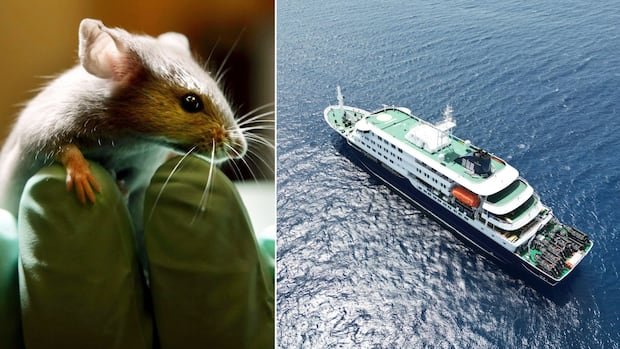

After a series of fatalities and sicknesses linked to a hantavirus outbreak aboard a cruise ship, health authorities are now suspecting potential human-to-human transmission as a contributing factor in the spread of this dangerous infection. The Andes strain of hantavirus has been detected in two individuals aboard the MV Hondius, a vessel known for previous cases of transmission between people with higher mortality rates.
Dr. Maria Van Kerkhove, the director of epidemic and pandemic preparedness and prevention at the World Health Organization (WHO), informed reporters in Geneva that some cases involved close contact, suggesting the possibility of human-to-human transmission. Despite the reminders of the early days of the COVID-19 crisis and concerns about broader dissemination of this rare rodent-borne disease, experts emphasize that hantavirus does not pose a significant global threat.
Virologist Angela Rasmussen from the University of Saskatchewan’s Vaccine and Infectious Disease Organization highlighted that hantavirus transmission typically ends with individuals, making this cluster of cases unusual. While there are multiple strains of the virus, one strain found in Argentina, the cruise’s origin, has been associated with isolated cases of transmission among individuals in healthcare settings.
Among approximately 150 passengers and crew on the MV Hondius, eight individuals have fallen ill with symptoms including fever, gastrointestinal issues, and respiratory complications. WHO has confirmed two hantavirus infections so far, with three fatalities reported, including a German passenger and a Dutch couple. The ship remains off the coast of Cape Verde, with no reported infections among the four Canadians on board.
The Andes strain of hantavirus, identified in passengers, is known to cause severe disease, with a death rate of approximately 40%. Although instances of human-to-human transmission are rare, the strain is capable of such transmission, as evidenced by previous outbreaks. The risk to the general public is considered low, with any potential transmission likely confined to close contacts.
Prior incidents of human-to-human transmission involving the Andes virus have been documented in research studies in Argentina, indicating the virus’s potential for sustained spread among humans. While hantavirus infections are rare, cruise ship environments can facilitate the spread of viral diseases due to shared facilities and enclosed spaces.
Despite the recent hantavirus outbreak on the MV Hondius, hantavirus infections are uncommon globally, and human-to-human transmission remains infrequent. Experts suggest that the risk to Canadians from rodent-borne hantaviruses is more significant than isolated outbreaks on cruise ships, emphasizing the importance of precautions when dealing with potential rodent exposure.