
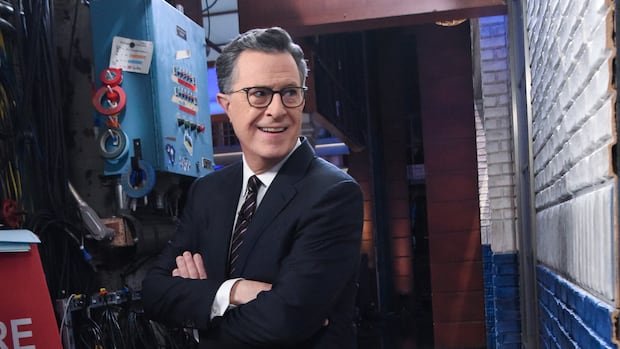

The iconic words “From the Ed Sullivan Theater in New York City, it’s Stephen Colbert!” will echo for the final time tonight. After an impressive 11-season run, the curtains are set to close on the renowned late-night program, The Late Show with Stephen Colbert. This marks the end of an era that was defined by Colbert’s engaging opening monologues, captivating celebrity interviews, and sharp political satire.
Colbert revealed last July that CBS had made the decision to end the show upon the expiration of his contract. While Paramount and CBS executives clarified that the cancellation was purely a financial move amidst challenges in the late-night landscape, they insisted it was unrelated to the show’s performance or content. Interestingly, the announcement came shortly after Colbert criticized Paramount Global, CBS’s parent company, for settling a lawsuit with former U.S. President Donald Trump over a 60 Minutes story.
Industry analysts anticipate a significant void in the late-night lineup following Colbert’s departure. Nevertheless, they acknowledge the necessity for the format to evolve to thrive in the streaming era, a transition that may already be underway.
When Colbert assumed the Late Show reins from the retiring David Letterman in 2015, his blend of sharp wit, improv skills, and experience from The Daily Show and The Colbert Report made him a standout figure in the late-night landscape. Eric Deggans, a prominent critic, highlighted Colbert’s unique ability to critique American society, politics, and the media establishment.
The exit of Colbert reflects a broader trend of influential voices facing challenges, especially in light of attempts by political figures to stifle criticism. The late-night format, while undergoing transformations, continues to be a potent platform for societal critique and political commentary.
As late-night television navigates an evolving media landscape, the future may see a shift in focus towards digital platforms and alternative revenue streams. The economic realities of TV production necessitate innovative approaches to sustain late-night programming that integrates satire and social commentary effectively.
While Colbert’s departure marks the end of an era, it also signals a potential opportunity for late-night shows to adapt and reach new audiences. The format’s ability to deliver concise, modular content aligns well with changing viewing habits, suggesting a promising future for late-night television in the digital age.
Ultimately, late-night shows like The Late Show with Stephen Colbert play a crucial role in the civic discourse of society. As the format evolves and embraces new mediums, its role in shaping public opinion and providing social commentary remains as crucial as ever.