
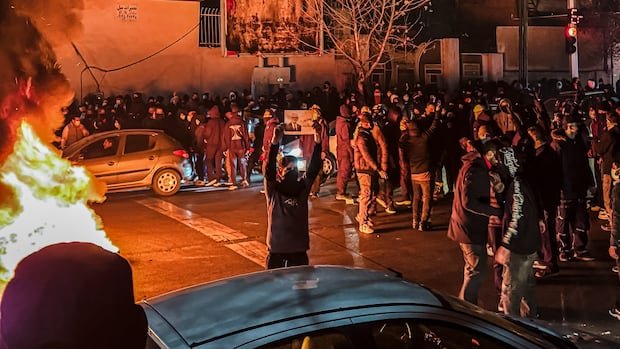

Analysts highlight that it represents a significant obstacle to Iran’s clerical administration since the 1979 Islamic Revolution.
A wave of protests has been rocking Iran for weeks. The unrest began on December 28 due to surging prices and evolved into broader anti-government demonstrations against the clerical rulers who have controlled the nation for nearly five decades.
A rights group reports that over 2,000 individuals have lost their lives in the ongoing turmoil. Amidst threats of military action from the U.S. and warnings of retaliation from Iran if attacked, the country has witnessed disruptions to internet and phone services, alongside worldwide demonstrations in solidarity with the protests.
Simultaneously, tens of thousands of pro-government demonstrators have mobilized to demonstrate their support, countering the nationwide protests challenging the theocracy.
Iranian Canadian writer and activist Parmida Barez described the ongoing events as remarkable, emphasizing the relentless pursuit of freedom by ordinary Iranians despite adversities such as violence and communication blackouts.
Kamran Bokhari, senior director at the New Lines Institute for Strategy and Policy in Washington, D.C., noted the distinct nature of the current protests, driven primarily by economic hardships.
So, what is the current situation, and could it signify a pivotal moment for the Iranian populace?
Let’s delve deeper into the matter.
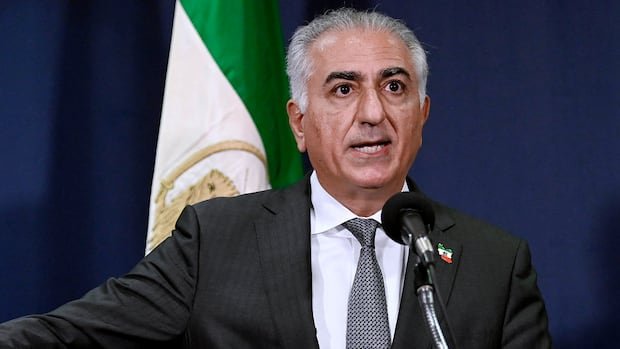
The son of the last shah has become a prominent voice in the current anti-government protests sweeping across Iran, despite having lived outside the country for 50 years. For The National, CBC’s Ashley Fraser breaks down Reza Pahlavi’s role and why the exiled crown prince remains a divisive figure.
What Sparked the Protests?
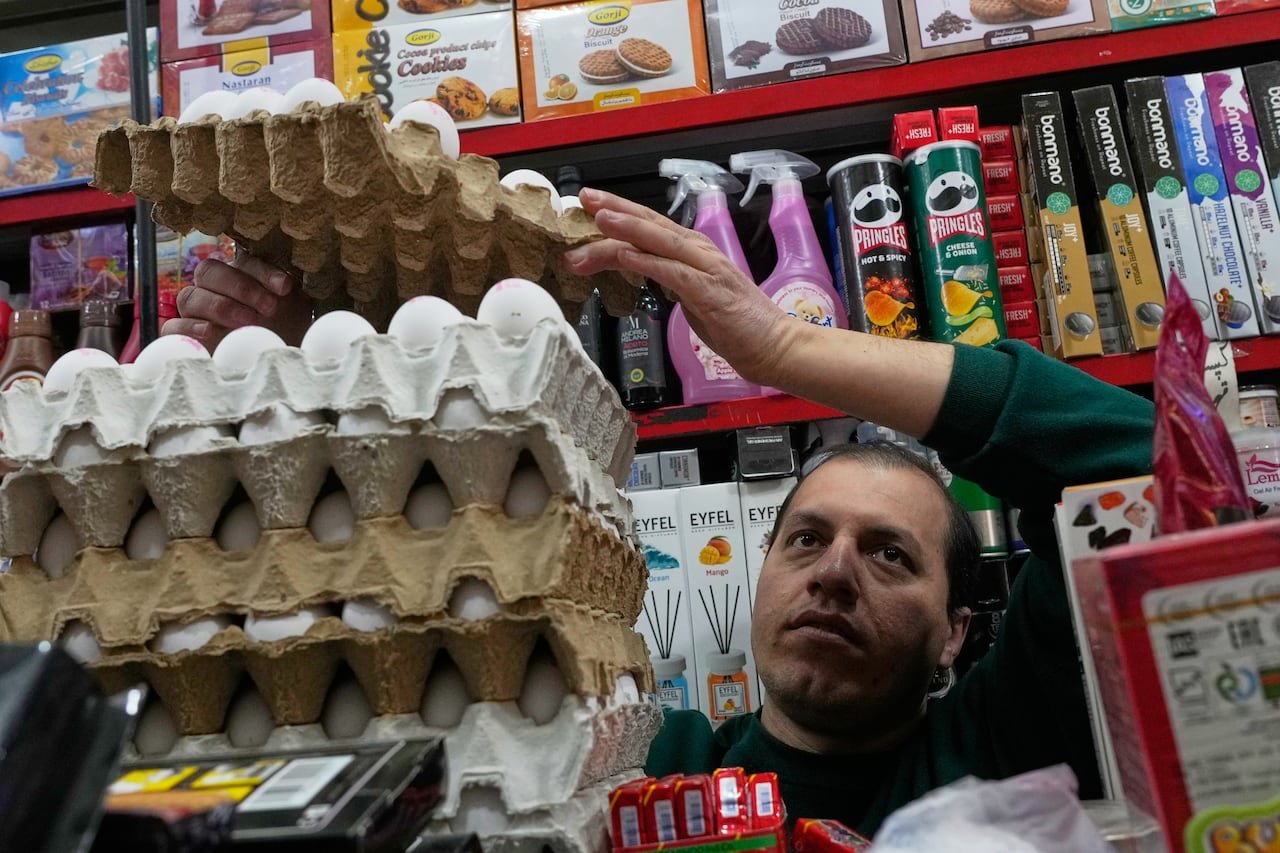
The demonstrations initially erupted due to rampant inflation.
Specifically, the trigger on December 28 was the closure of shops by merchants as the currency’s collapse rendered business operations unfeasible, as elucidated by BBC chief international correspondent Lyse Doucet on the BBC Newscast podcast.
Basic commodity prices, such as chicken and cooking oil, experienced a sharp surge, with some items vanishing from shelves entirely, as reported by CNN.
The root cause can be traced back to Tehran’s recent 12-day