
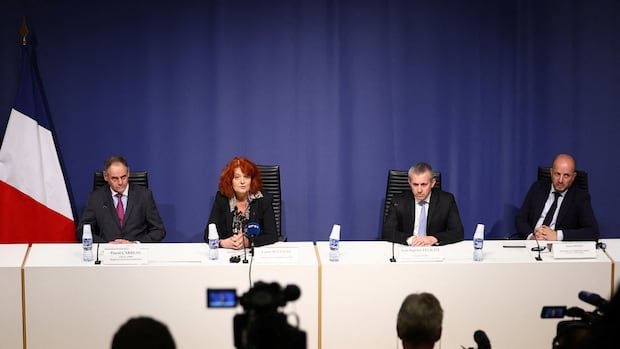

Paris authorities have revealed that two suspects involved in the Louvre jewel heist have confessed partially to their roles in the crime. The individuals, facing charges related to theft by an organized group and criminal conspiracy, are believed to be the culprits who forcibly entered the renowned museum, stealing jewels valued at around $143 million.
One of the suspects, a 34-year-old Algerian national residing in France since 2010, was apprehended at Charles de Gaulle airport as he attempted to board a flight to Algeria without a return ticket. The second suspect, aged 39, was arrested at his residence in Aubervilliers, a northern suburb of Paris. The latter had a history of thefts, with his DNA found at the crime scene where the stolen jewels were exhibited.
Despite the arrests, the stolen jewels have not been recovered. Authorities emphasized that the stolen items are unsellable, cautioning potential buyers against involvement in handling stolen goods. It remains a priority to return the stolen jewels.
In a separate development, French police acknowledged deficiencies in the Louvre’s security infrastructure, highlighting gaps that facilitated the brazen theft. Paris Police Chief Patrice Faure disclosed that outdated security systems and delayed upgrades left vulnerabilities in the museum’s defenses. Plans for a comprehensive security overhaul, requiring substantial investment and time, are underway but won’t be completed until 2029–2030.
The initial alert to the police about the heist came from a passerby outside the museum who noticed suspicious activity, highlighting a breakdown in the security chain. The incident has underscored the lack of private insurance coverage for the stolen jewels, as the French state self-insures its national treasures due to exorbitant premiums for private insurance.
Efforts are underway to prevent similar incidents in the future, including the adoption of advanced technologies like AI-based anomaly detection for enhanced surveillance. The swift execution of the heist and the subsequent challenges faced by authorities have raised concerns about the protection of France’s cultural heritage and the need for robust security measures.
The Louvre heist has cast a spotlight on the vulnerabilities within the museum’s security apparatus and prompted calls for comprehensive reforms to safeguard valuable artifacts. The ongoing investigation and efforts to enhance security protocols reflect the urgent need to address systemic weaknesses and prevent future breaches.