
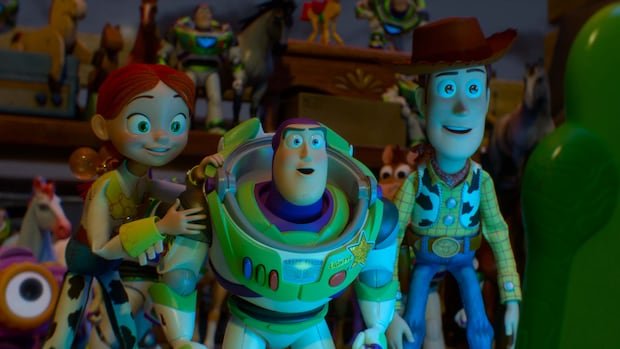

Toy Story 5 is a standout addition to the beloved franchise, showcasing a compelling narrative that rejuvenates the familiar plush and plastic characters. The film’s modern relevance is evident from its trendy poster, depicting the original toys facing off against a tech-savvy antagonist.
Despite tackling themes of technology’s impact on childhood, Toy Story 5 maintains a lighthearted approach, steering clear of a grim portrayal. The story primarily revolves around Woody and Jessie’s efforts to assist Bonnie, a young girl struggling to connect with her peers in a digital age.
Issues intensify when Bonnie receives a tablet, leading to a shift in her priorities and diminishing playtime with her toys. The film poignantly portrays Bonnie’s challenges in forming genuine connections amidst a tech-dominated environment.
Furthermore, Toy Story 5 skillfully navigates the complexities of using technology to engage children, avoiding a simplistic portrayal of screens as inherently negative. The movie cleverly balances the benefits and drawbacks of tech integration in a child’s life.
One of the film’s central themes, recurring throughout the Toy Story series, is the toys’ devotion to their “owner” as a source of purpose and identity. This dynamic is reexamined in Toy Story 5, offering a more nuanced portrayal of the child as a character rather than a distant figure.
However, the overarching focus on preserving an idealized childhood narrative raises questions about the film’s underlying message. By delving into themes of nostalgia and protection of innocence, Toy Story 5 inadvertently shifts its emphasis away from genuine child experiences.
Ultimately, while Toy Story 5 delivers an engaging storyline and thought-provoking themes, its exploration of childhood ideals may overshadow the authentic portrayal of children’s realities. The film prompts viewers to reflect on the implications of idealizing childhood in a rapidly evolving digital landscape.