

UPDATE: It has been a decade since British Columbia declared a public health emergency in response to a surge in toxic drug-related fatalities. Follow live updates here.
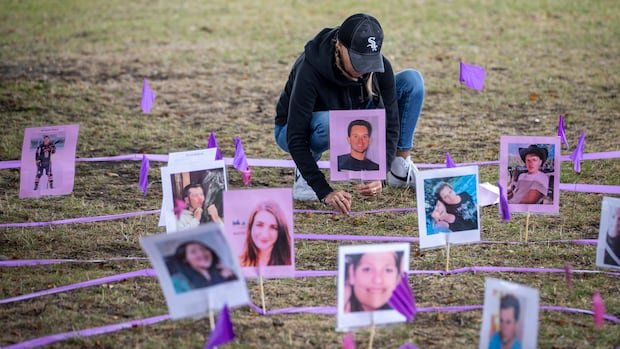
During the mid-90s, cousins Patricia Caddy and Jordane Lopez enjoyed their summers like many other children — watching sitcom reruns, creating mixtapes of favorite songs from the radio, and playing outdoors. Caddy fondly recalls their adventures, including using cardboard flats to “sled” in the summer. Lopez, who passed away in 2023 at age 35, was a significant presence in Caddy’s life, closer to her than her older siblings.
Tragically, Lopez became one of the thousands of individuals in British Columbia who lost their lives due to unregulated toxic drugs following the government’s emergency measures. Experts express concerns that the province might not be utilizing all available powers in response to the crisis, relying more on public sentiment than scientific guidance in shaping policies.
Background of the Emergency Declaration
In April 2016, then-Provincial Health Officer Dr. Perry Kendall declared a public health emergency in British Columbia, marking the province as the first in Canada to take such action in light of a sharp rise in illicit drug-related deaths. The number of fatalities due to toxic drugs has continued to escalate over the years, with a total of 1,833 deaths recorded in 2025 alone, bringing the overall toll to over 18,000 since the emergency declaration.
Demographics and Impact
Former Chief Coroner Lisa Lapointe revealed that an estimated 225,000 individuals in British Columbia use unregulated drugs, with approximately 100,000 grappling with opioid use disorder. The majority of those affected by toxic drugs are aged between 30 and 59, with a significant portion being men. Notably, about one-fifth of the victims work in trades, and a disproportionate number are of First Nations descent.
The unregulated drug supply remains the primary cause of unnatural deaths in the province, highlighting the urgency of addressing this ongoing crisis.
Challenges in Drug Supply
Experts highlight the evolving nature of the unregulated drug supply as a significant challenge in combatting drug-related fatalities. The landscape has shifted from fentanyl to more potent opioids like carfentanil and the inclusion of benzodiazepines, complicating the street drug market and posing greater risks to users.
Recent reports indicate a rise in drug poisonings, with substances like medetomidine, primarily used in veterinary settings, now being found in illicit drugs, further complicating overdose responses.
Dual Health Emergencies
While efforts to address the toxic drug crisis persisted over a decade, another public health emergency emerged in the form of the COVID-19 pandemic. The government’s responses to these emergencies varied, with the toxic drug crisis enduring while the COVID-19 emergency concluded after three years.
Health Minister Josie Osborne emphasized the need to balance scientific advice with societal responses, acknowledging the complexities of managing both emergencies simultaneously.
Future Outlook
Reflecting on the past decade, officials recognize both successes and shortcomings in the government’s response to the crisis. While progress has been made, challenges persist in curbing toxic drug deaths. The path forward involves learning from past experiences, listening to experts, and making informed policy decisions to address the societal impact of drug use.
As the province navigates these complex health emergencies, the focus remains on supporting individuals struggling with addiction and implementing evidence-based interventions to prevent further loss of life.