
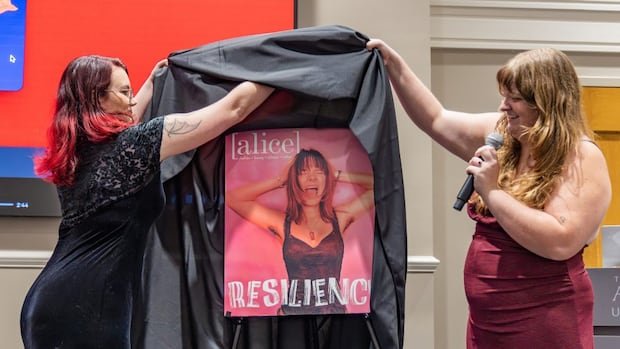

Leslie Klein, the managing editor of Alice magazine, expressed her disbelief at the abrupt shutdown of the publication due to its focus on women readers. The University of Alabama recently announced the immediate closure of Alice and Nineteen Fifty-Six, citing violations of anti-diversity regulations set forth by the Donald Trump administration.
Klein emphasized that the closures infringed on their freedom of speech and press, leaving the staff confused and uncertain about the future steps. The editors of both student publications were notified of the decision on Monday, with Gabrielle Gunter, the editor-in-chief of Alice, describing the news as bewildering, especially as the magazine had just marked its 10-year milestone.
Nineteen Fifty-Six, named after Autherine Lucy Foster’s enrollment in 1956 as the university’s first Black student, expressed disappointment over the suspension. The University of Alabama defended its actions by referencing a memo from U.S. Attorney General Pamela Bondi cautioning against diversity, equity, and inclusion programs in publicly funded educational institutions.
Despite the university’s stance on complying with anti-DEI measures, Klein argued that Alice was inclusive, welcoming readers and contributors of all genders. The Foundation for Individual Rights and Expression (FIRE) has intervened, demanding the reinstatement of the magazines, labeling the closures as an assault on student press freedom.
This incident marks another clash between Trump’s administration and universities, following previous actions targeting minority student groups on campus. The closure of dedicated spaces for the Black Student Union and LGBTQ+ community at the University of Alabama reflects a broader trend of withholding funding from institutions that resist the administration’s directives.
The University of Alabama proposed launching a new student magazine with a wider focus, inviting former staff to participate. However, Klein and her colleagues are hesitant to engage, preferring to salvage Alice independently, even if it means rebranding under external support. Klein emphasized the importance of amplifying women’s voices on campus, underscoring the significance of preserving their platform for expression.