
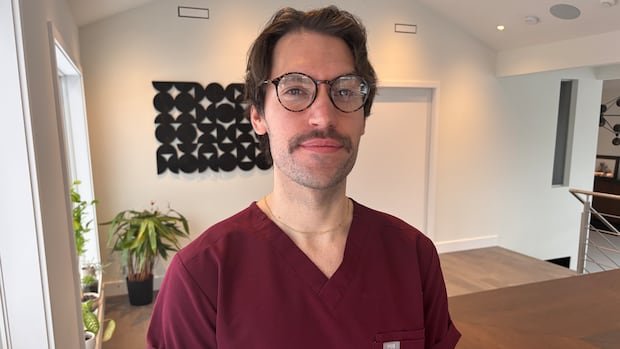

Neil Patterson, a physician based in Corner Brook, spends a few hours at home before commencing his long workdays at a family care clinic and hospital in Stephenville. Despite his 80-hour workweeks, he feels undervalued and undercompensated. Patterson alleges that the incentives and bonuses promised to him by Newfoundland and Labrador Health Services (NLHS) never materialized.
Originally from Ontario, Patterson moved to Newfoundland for his residency and grew fond of rural life. He signed a two-year contract with NLHS, entailing duties at the family care clinic and the hospital. However, he claims that the government’s lack of support for family doctors indicates a disregard for their retention.
Patterson was enticed to work in Newfoundland with promises of substantial bonuses, including close to $200,000 for community service and relocation. Despite serving diligently, he did not receive the expected rewards. The government has offered similar incentives to attract doctors to family care teams across the province.
Frustrated by the unfulfilled promises, Patterson sought explanations from NLHS and the government but received conflicting responses. He has incurred significant legal expenses trying to resolve the issue. While committed to fulfilling his contract, he contemplates seeking better opportunities elsewhere due to the lack of recognition and financial support.
NLHS advised Patterson against discussing his concerns publicly, but feeling desperate, he decided to speak out. Despite multiple requests, NLHS declined to comment on the matter publicly, citing privacy rules.
Cynthia Slade, the president of the Newfoundland and Labrador Medical Association, echoes Patterson’s sentiments, highlighting systemic failures in doctor recruitment and retention. She emphasizes the need for streamlined services to support healthcare professionals effectively.
The government’s recruitment efforts have been touted as successful, with over 160 doctors recruited since 2023. However, Slade contends that the number of departing doctors paints a different picture, emphasizing the importance of retaining medical professionals through adequate support and recognition.
Patterson’s experience reflects a broader trend of doctors leaving Newfoundland, particularly in rural areas. The exodus of medical professionals poses a threat to healthcare services in these regions, prompting concerns about the sustainability of healthcare provision.
Despite the challenges, Patterson remains hopeful for a resolution and the promised incentives. However, he remains skeptical about receiving the apology and financial rewards he has been waiting for.