
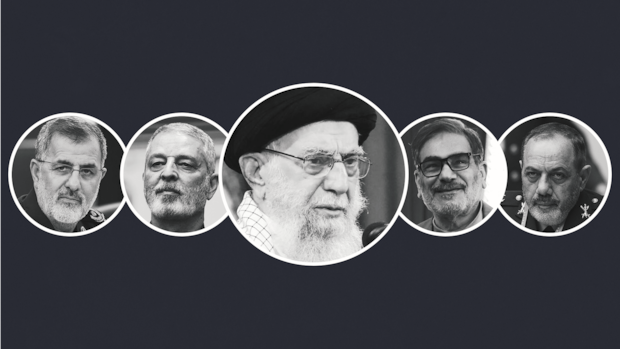

After the recent joint military strikes by the United States and Israel on Iran, there are signs of imminent change within the Iranian regime. The passing of Supreme Leader Ali Khamenei, alongside the loss of key military figures, has raised uncertainties regarding the succession of leadership following Khamenei’s lengthy 36-year rule.
Iran’s political structure is intricate, with power emanating from the supreme leader who shapes national policies, appoints military heads, and oversees the president. The supreme leader is chosen by Iran’s Assembly of Experts, a group of 88 elected jurists tasked with overseeing the supreme leader, although their actual control remains questionable.
In the aftermath of Khamenei’s demise, a temporary three-person leadership council comprising President Masoud Pezeshkian, Chief Justice Gholam-Hossein Mohseni-Ejei, and Guardian Council member Ayatollah Alireza Arafi is currently governing the country.
President Donald Trump hinted on Tuesday that a successor from within the Iranian regime may be the most suitable choice to assume power once the joint military campaign concludes.
The coordinated strikes occurred shortly after the conclusion of recent U.S.-Iran talks aimed at limiting Iran’s nuclear program. The removal of key figures within the Iranian leadership has created a power vacuum, prompting uncertainties about the future direction of the regime.