
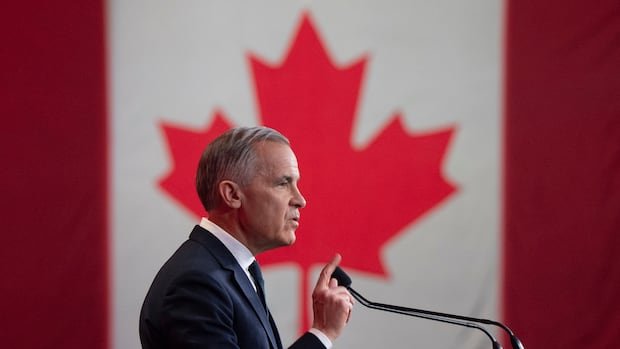

In Canada’s history, 24 individuals have served as prime ministers, with only 13 having led their party to a majority in the House of Commons before Monday. Mark Carney has become the 14th to achieve this feat.
Carney’s journey to becoming prime minister and securing a majority is quite remarkable. Just over a year ago, he entered the race for Liberal leadership when the party was lagging in polls. Despite his previous roles as governor of two central banks, he had no prior experience in elected office.
Through a unique combination of two byelections and five floor-crossings from different parties, Carney has formed a distinct majority in Parliament. Described as an “anti-Trump coalition” by a Liberal insider, the party’s agenda goes beyond this label, reflecting the diverse support Carney has garnered.
With a narrow majority, the Liberals can now navigate legislation more smoothly in the House and committees, ensuring cabinet stability and potentially delaying an election until 2029. However, to secure their position, the Liberals may seek additional seats to avoid a precarious balance.
As the Liberal tent expands, questions arise about maintaining unity and leveraging newfound support in Parliament. The focus now shifts to Carney’s next steps with a majority, balancing the risks of complacency and moving too swiftly for public acceptance.
While a majority offers opportunities for action, critics like Conservative Leader Pierre Poilievre caution against undemocratic practices and potential overreach by the government. The Liberals aim to be inclusive and collaborative, emphasizing unity in their approach.
Having secured a majority, Carney faces the challenge of sustaining support and avoiding pitfalls that could lead to a loss of confidence. For the Conservatives, the shift to opposition presents a chance to assert themselves more vocally, albeit amidst internal challenges and uncertainties about leadership longevity.
In a political landscape marked by unexpected alliances and shifts, both parties must navigate evolving dynamics and public sentiment as they chart their course for the future.