
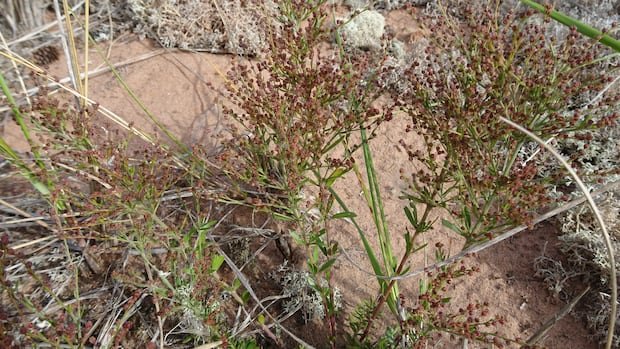

Parks Canada is implementing measures to safeguard an uncommon coastal plant found at Kouchibouguac National Park in New Brunswick and Prince Edward Island National Park. This year, purchases of official Parks Canada merchandise online, including shirts and tote bags, will contribute to the conservation efforts aimed at protecting the Gulf of St. Lawrence beach pinweed at these two parks.
According to David Mazerolle, the ecosystem scientist at Kouchibouguac in eastern New Brunswick, the global population of this plant has significantly decreased due to the impacts of climate change and severe winter storms. The loss of coastal ice during milder winter temperatures and the intensified effects of winter storms are contributing to the decline of this plant species.
Parks Canada is actively involved in collecting seeds of the plant and collaborating with researchers at Acadia University to explore methods for germination, growth, and transplantation of the species into new habitats where it can thrive. The specific variety of beach pinweed targeted for protection in this project is unique to eastern Canada, with its range extending from the Maritimes to North Carolina along the North American coast. However, the variety endemic to the southern Gulf of St. Lawrence is exclusive to this region.
Described as a small shrub standing at 20 to 30 centimeters tall, the Gulf of St. Lawrence beach pinweed thrives in stable dune systems along the coast, away from ocean waves. The majority of the plant’s population is situated on lands co-managed by Parks Canada and Mi’kmaw First Nations, making Parks Canada well-positioned to lead conservation efforts.
The conservation work being carried out is crucial as the habitat of the beach pinweed is increasingly threatened by climate change. Sean Blaney, the executive director of the Atlantic Canada Conservation Data Centre, emphasized the importance of protecting coastal species like the beach pinweed as they serve as indicators of climate change impacts and are essential for maintaining biodiversity.
Efforts to transplant the beach pinweed have shown promising results, with initial transplants completed and ongoing work to germinate the plants at Acadia University. The next phase of the project will involve further plantings in Kouchibouguac National Park and Prince Edward Island National Park. By acclimating the plants to park conditions before planting, the aim is to establish self-sustaining populations of the pinweed in various parts of the park.
Lindsey Burke, a resource management officer at Prince Edward Island National Park, highlighted the decline of the species on the island due to climate change and coastal erosion. Protecting areas crucial for the beach pinweed also safeguards the broader dune ecosystems. The collaborative efforts with Acadia University and the transplantation process are envisioned to enhance the resilience of the pinweed within the park, ensuring its long-term survival.