
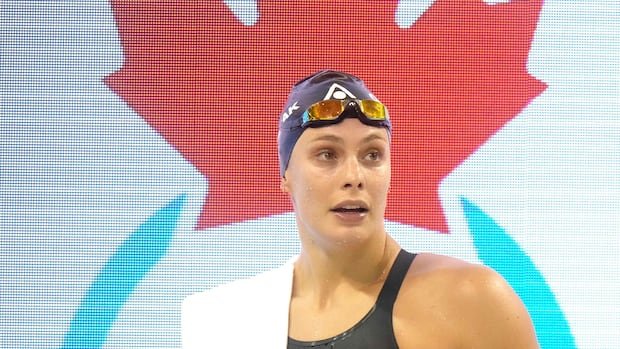

Canadian swimmer Penny Oleksiak’s suspension from competition for two years sparked concerns regarding her three whereabouts failures that led to the ban. The World Anti-Doping Agency (WADA) defines a whereabouts failure as missing three drug tests or filing failures within a year.
Suzanne Paulins, the chief executive officer of Swimming Canada, stated that Oleksiak’s explanation for the failures was inadvertent errors and not the use of banned substances. Oleksiak, tied with sprinter Andre De Grasse, is one of Canada’s most decorated Olympians with seven career medals.
The whereabouts program, part of WADA’s drug-testing initiative, applies to international Olympic federations, their athletes, and national anti-doping organizations. Elite athletes in the Registered Testing Pool (RTP) are subject to more testing due to the higher risk of doping.
Athletes in the program must provide daily location information quarterly, including accommodation, travel, work, training schedules, and regular activities. They also need to specify a one-hour daily location for potential random tests.
While the program may seem cumbersome, athletes like Brittany MacLean Campbell have adapted to the routine. Failure to update whereabouts information, inaccurate location reporting, or missing scheduled tests are considered violations that may lead to sanctions.
Although whereabouts failures are not common, they do occur internationally. Education and reminders are provided to athletes to ensure compliance with the program’s requirements. Oleksiak’s case raises questions about athlete responsibility and the importance of understanding the program’s severity and consequences.