
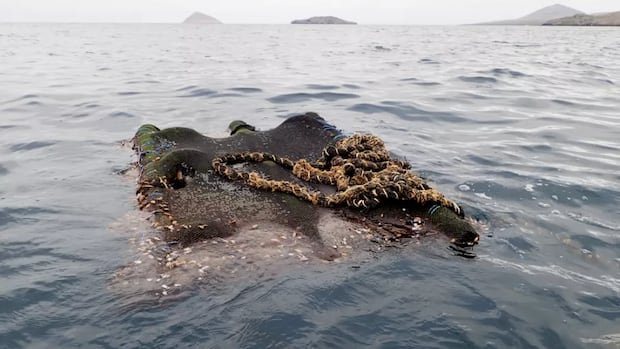

Your tuna sandwich likely came from fish caught using fish aggregating devices (FADs), drifting rafts. Recent Canadian research reveals that abandoned FADs are colliding with coral reefs, threatening wildlife, even inside marine protected areas. However, there are methods to enhance the sustainability of tuna fishing.
Approximately 1,500 drifting FADs have encroached upon half of the world’s marine protected areas, violating fishing bans within those zones, as estimated by a recent study published in Science Advances.

Understanding FADs and Their Role in Tuna Fishing
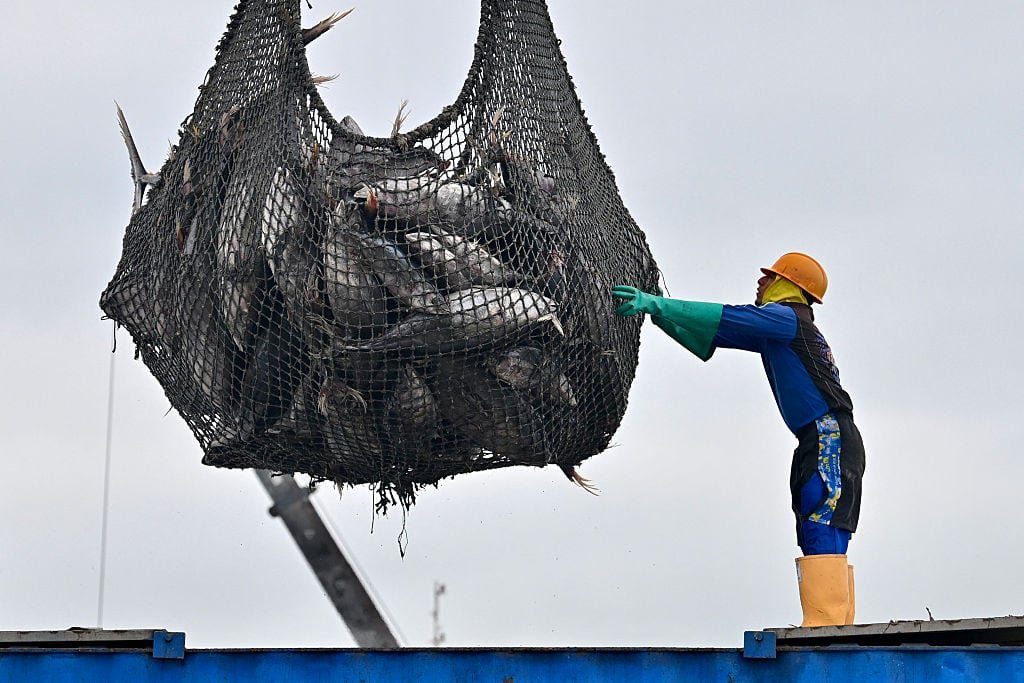
Drifting FADs are employed to capture smaller tropical tuna, particularly skipjack, commonly used in canned tuna products.
These floating rafts, resembling boardroom tables in size, are constructed with wood or bamboo and plastic components, according to Boris Worm, a marine conservation professor at Dalhousie University and co-author of the study.
Traditionally, mesh nets were suspended beneath FADs to a depth of about 80 meters to attract fish and slow their drift. However, due to entanglement risks to wildlife, mesh nets were globally banned on FADs in 2025, replaced solely with ropes.
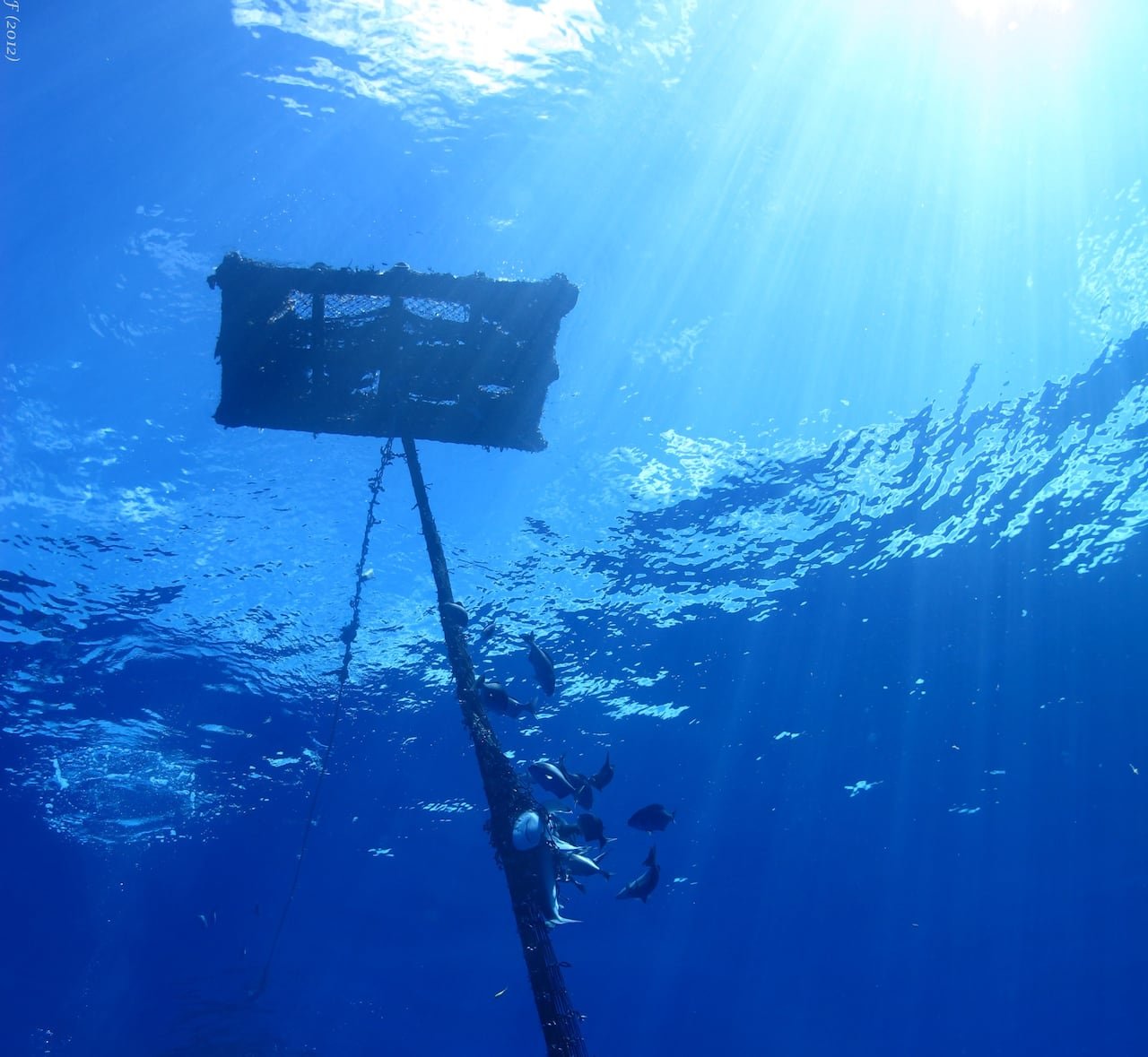
These rafts lure small fish seeking shelter, akin to driftwood, attracting predatory fish like tuna for easier capture by fishing vessels.
FADs typically feature a plastic GPS buoy and fish detector. Fishing boats return to fish in proximity using a purse seine net once a sufficient number of fish aggregate underneath.
Approximately 100,000 FADs are released annually into the ocean, with around 90% eventually lost, noted Worm, citing their disposable nature.
Hilario Murua, the director of science at the International Seafood Sustainability Foundation (ISSF), stated that FADs are typically utilized for about a year but can drift for up to five more years before stranding or snagging.
Issues Arising in Protected Areas
Entry of FADs into marine protected zones can result in beach strandings and coral reef damage, contributing to plastic pollution, according to Laurenne Schiller, lead author of the study and a postdoctoral researcher at Dalhousie University.
The study documented over 6,000 FAD strandings in 174 protected areas, causing substantial harm to coral reefs and marine life.
Schiller described FADs damaging corals, posing threats to rare and endangered coral species within marine protected regions.
Entanglement of sharks and turtles in FAD netting has been a concern, although the ban on netting is a positive step, reducing such impacts in marine protected areas.