

Undocumented young individuals residing in Canada express deep concerns and a sense of despair due to the extensive wait times spanning decades for permanent residency approval through the humanitarian and compassionate pathway, which often serves as their primary avenue for immigration. Legal professionals and advocates are apprehensive that more vulnerable minors may lose their legal immigration status in the foreseeable future, leading them to operate in the shadows, devoid of the ability to work legally, pursue education in many post-secondary institutions, or access necessary healthcare services. The looming risk includes potential deportation from Canada.
The status of becoming undocumented can occur when individuals’ temporary permits expire due to various reasons such as failure to meet eligibility criteria for another status, denial of applications, or prolonged processing periods, as explained by Ottawa immigration lawyer Heather Neufeld. By October, processing durations had stretched to extensive lengths for certain immigration streams, including the humanitarian permanent residence program, which considers applications based on unique circumstances like hardship or the welfare of children. Neufeld emphasized the heightened jeopardy faced by children in this scenario.
Notably, there has been an unprecedented reduction in annual admission targets, as per lawyers, significantly affecting the humanitarian stream. Neufeld criticized this sudden diminishment, stressing that the stream was previously functional but has now been severely restricted, contrasting with past practices.
Estimates in the spring indicated a substantial backlog of 55,074 applications awaiting processing under the humanitarian stream. The proposed intake for the coming years includes 1,100 applicants in the next year, followed by 1,000 in 2027 and another 1,000 in 2028, according to the latest plan from Immigration, Refugees, and Citizenship Canada (IRCC).
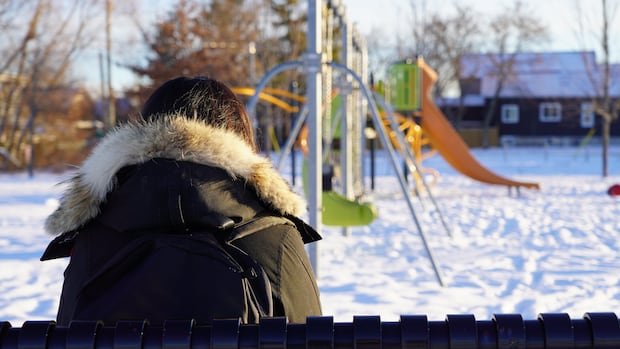
“It’s very stressful,” expressed Anna, a high school student in Kingston, Ontario, who finds herself in a state of undocumented status. Anna, whose name has been changed for anonymity due to her vulnerable status, arrived in Canada as a young child but now lives separately from her family following strained relationships. Despite having Canadian citizen or permanent resident relatives, Anna discovered her lack of legal status due to familial complications.
With legal aid guidance in Ottawa, Anna submitted her permanent residency application under the humanitarian pathway in October, the sole option available to her. Initially facing a two-year wait time, the delay surged to over a decade shortly after application submission, evoking emotional distress.
In a parallel narrative in Ottawa, 16-year-old John and his sibling encounter similar uncertainties due to their undocumented status. John, also provided a pseudonym by CBC, saw his family’s immigration status jeopardized during the pandemic, leading to reapplication under the humanitarian program.
The narratives of Anna and John underscore the pressing concerns surrounding Canada’s treatment of vulnerable youth in the immigration process, prompting calls for expedited reviews and support to prevent adverse impacts on their development and well-being. Stakeholders advocate for a more proactive approach to safeguard the interests of children under international conventions and domestic laws.
The significance of addressing the plight of undocumented minors is emphasized by Liz Okai, highlighting the detrimental effects of prolonged uncertainty on their mental and physical health and overall well-being. The urgency to reassess processing timelines and prioritize vulnerable youth cases is underscored to prevent the creation of an underclass of undocumented individuals in Canada.
IRCC maintains that the humanitarian and compassionate pathway serves as a last resort for exceptional cases and acknowledges the extended waiting periods. The department assures that child welfare considerations remain pivotal in decision-making processes, emphasizing a case-by-case evaluation for urgent processing requests to alleviate undue hardships faced by vulnerable youth.
As Anna and John navigate their uncertain paths, both illustrate the profound impact of the immigration process on their aspirations and well-being, underscoring the necessity for timely and compassionate responses to safeguard their futures.