

As the time window for finding survivors continues to narrow, Venezuelans on Monday searched through more collapsed buildings caused by consecutive earthquakes in the northern state of La Guaira. An aftershock shook the disaster area, raising concerns about the rescue operations. Relief organizations emphasize the critical first 72 hours after a natural disaster for rescue efforts, with access to food and water being crucial for prolonged survival. Now, five days post the twin quakes in northern Venezuela, attention shifts towards the emerging humanitarian crisis in the affected regions.
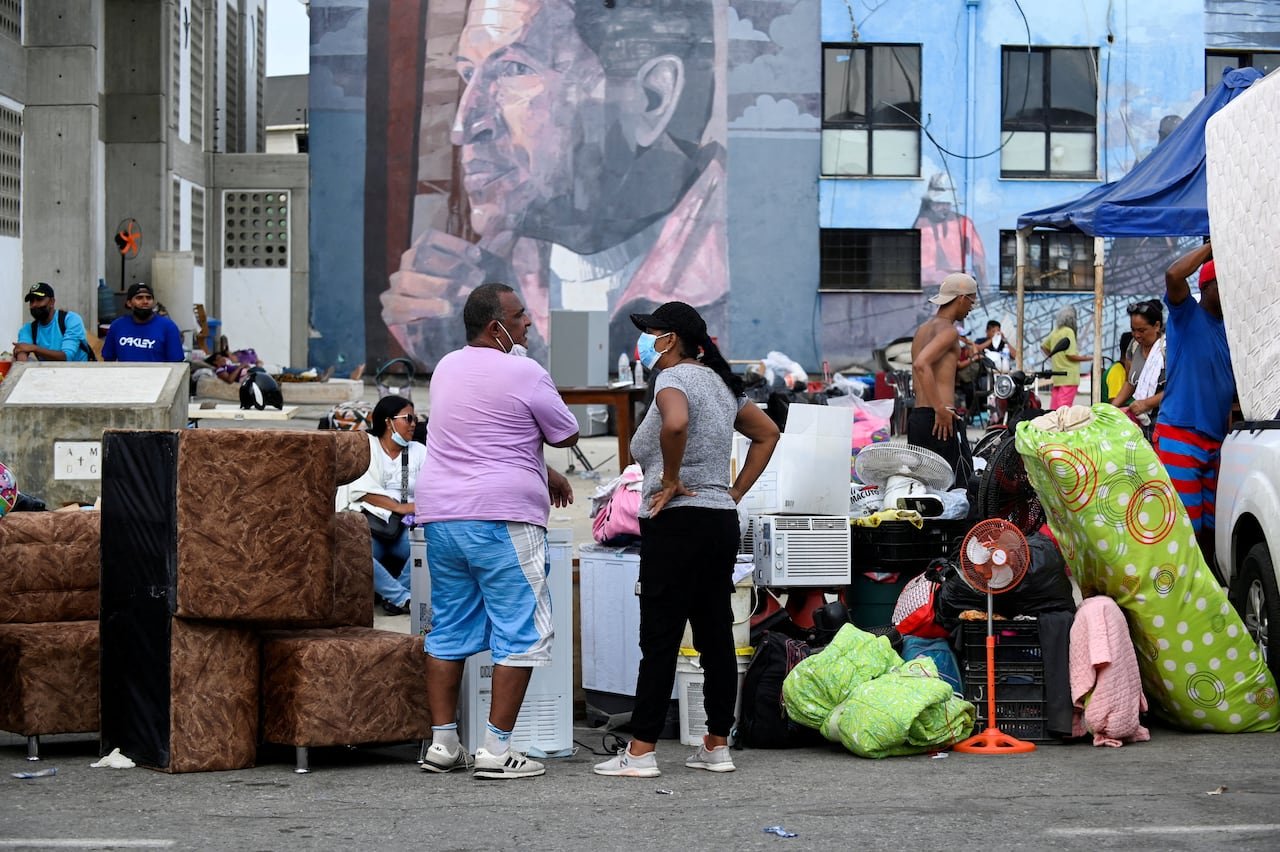
The government reported a death toll exceeding 1,700 people and faces challenges in coordinating care for the homeless amid financial constraints. Acting President Delcy Rodríguez, who assumed power after the previous administration was seized, is under scrutiny regarding the government’s response to the disaster. Despite criticism of the slow pace of rescue efforts, the government has highlighted its actions through social and state media platforms. Notably, footage was shared showing Rodríguez inspecting a shelter for displaced individuals in Catia La Mar and survivors being rescued from the rubble, garnering applause.
In the heart of the disaster zone, families anxiously await news at search sites, emphasizing the emotional toll on those affected.
Aftershock Impact
Monday’s aftershock near the earthquake epicenter, located 27 kilometers north of Caraballeda on Venezuela’s coast, measured 4.6 magnitude according to the US Geological Survey, while Colombia’s survey reported it at 5.1 magnitude. Despite no immediate additional damage reported, the aftershock caused panic in Caracas, leading residents to flee to the streets.
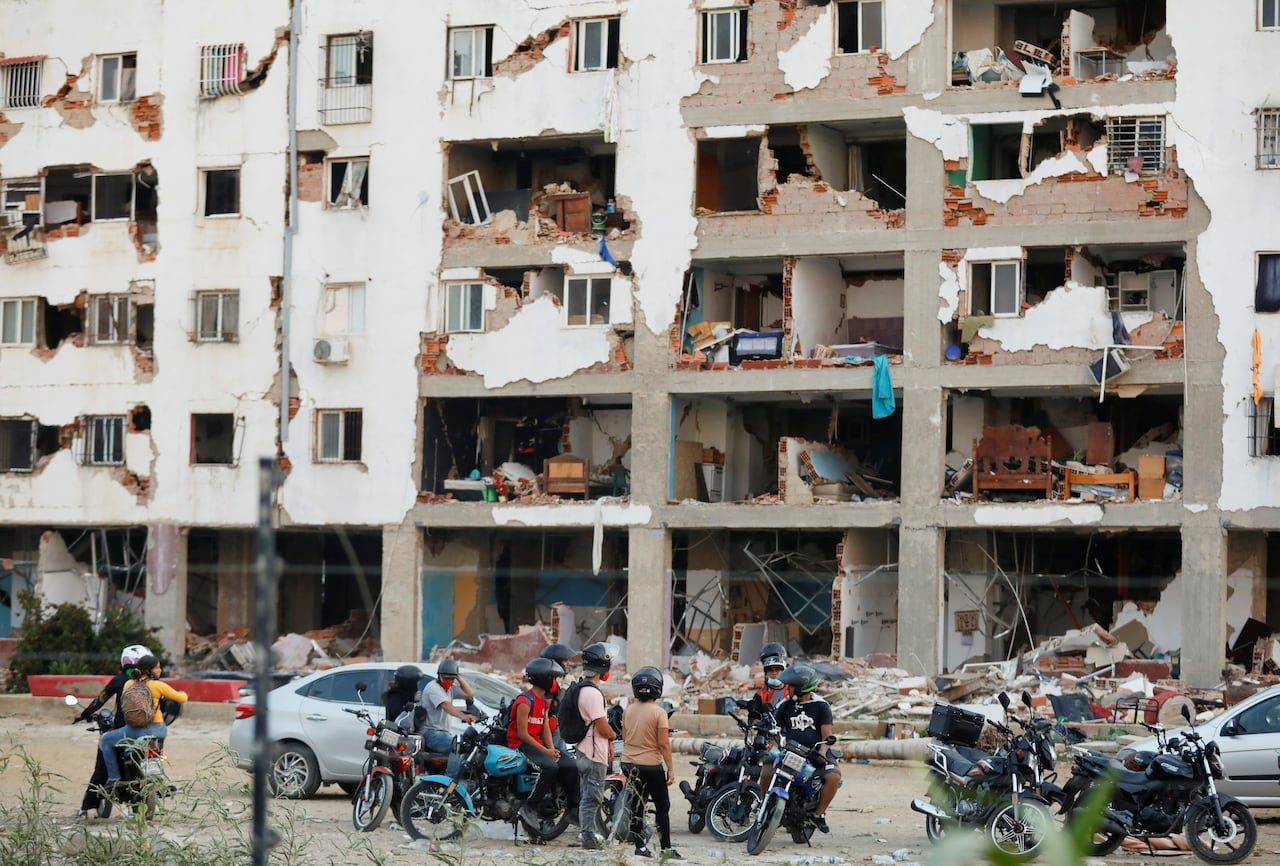
Displaced individuals expressed uncertainty and fear, with resident Concepción Hernández highlighting the ongoing distress and lack of peace amid continued seismic activity.
As a precautionary measure, the Caracas Metro announced a temporary service suspension for infrastructure assessments post the aftershock. Moreover, the impending tropical wave approaching Venezuela could exacerbate damages with heavy rains, posing additional challenges for the displaced population.
The ongoing disaster has escalated expectations for the US administration, particularly regarding its intervention in Venezuela’s oil industry earlier this year. With substantial financial support exceeding $300 million US, the US government has mobilized rescue teams and aid, including military assistance for infrastructure repairs and relief operations. However, the possibility of granting temporary legal protections to affected Venezuelans remains uncertain, unlike previous instances in response to natural disasters in other countries.
Rescue efforts persist on the ground, with individuals like miner Jean Sosa engaging in search and rescue operations. Sosa, deported from the US earlier this year, described the challenges faced in the absence of adequate support and equipment, highlighting the resilience and determination of the rescue teams despite resource shortages.
The magnitude of the devastation remains uncertain, with conflicting figures reported by authorities. Efforts to locate missing persons continue, underscoring the need for coordinated rescue operations and support for the affected communities.