
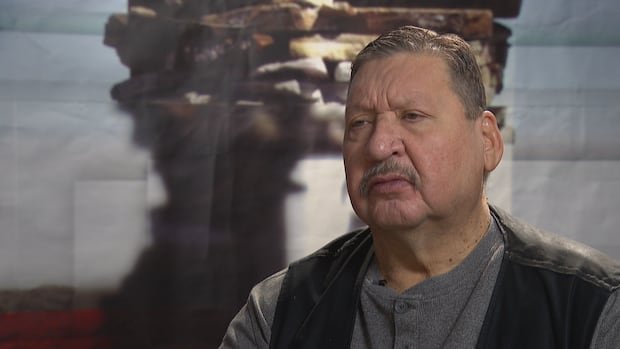

For the majority of his tenure as president of the North Slave Métis Alliance in the Northwest Territories, Bill Enge experienced being rejected by the federal government when attempting to address issues or start a land claim. Enge believed that following a significant ruling by the Supreme Court of Canada a decade ago, which recognized tens of thousands of Métis and non-status Indians under federal jurisdiction, the situation would change. He was present in Ottawa in 2016 when the decision was announced and felt hopeful that the federal government would finally engage with them. However, a decade later, Métis leaders in the Northwest Territories and nationwide express less optimism, as they feel there has been minimal progress in enhancing rights, programs, and services for Métis individuals.
The landmark Daniels decision in 2016 declared that Métis and non-status Indigenous people were considered “Indians” under section 91(24) of the Constitution, placing them under federal jurisdiction alongside First Nations and Inuit communities. This decision was named after Métis leader Harry Daniels, a key figure in the case initiated in 1999 against a federal department, now divided into Crown-Indigenous Relations and Northern Affairs Canada and Indigenous Services Canada. Garry Bailey, president of the Northwest Territory Métis Nation, initially anticipated improved access to federal programs and services, as well as core funding for local Métis governments following the ruling. However, a decade later, Bailey expresses disappointment at the lack of progress, stating that no concrete steps have been taken yet.
Despite ongoing efforts to engage with Ottawa, Bailey has not received a clear plan on how the decision will be implemented. Crown-Indigenous Relations Minister Rebecca Alty, who also serves as the N.W.T.’s MP, declined to comment on the matter. The federal department’s spokesperson mentioned ongoing collaboration with Métis and Non-Status Indigenous groups to identify program gaps and develop more effective solutions.
Bailey highlighted the absence of various federal programs and benefits in Métis communities, including post-secondary education support, income assistance, and health benefits. He also emphasized the lack of Jordan’s Principle funding for Métis students, leaving some without necessary support in their educational pursuits. Victoria Pruden, president of the Métis National Council in Ottawa, emphasized the personal significance of implementing the Daniels decision, particularly in terms of extended health benefits such as prescription coverage and medical transportation to support aging Métis family members.
While progress has been slow, the Daniels decision had some impact, such as the North Slave Métis Alliance receiving political recognition from the federal government for its rights under section 35 of the Constitution, paving the way for self-government negotiations and a potential land claim. However, Garth Wallbridge, a Métis lawyer residing in Yellowknife, expressed disappointment in the lack of pressure from national Métis leadership on Ottawa to advance implementation. Pruden underlined the importance of advancing the decision’s implementation and made it a top political advocacy priority for 2026.