
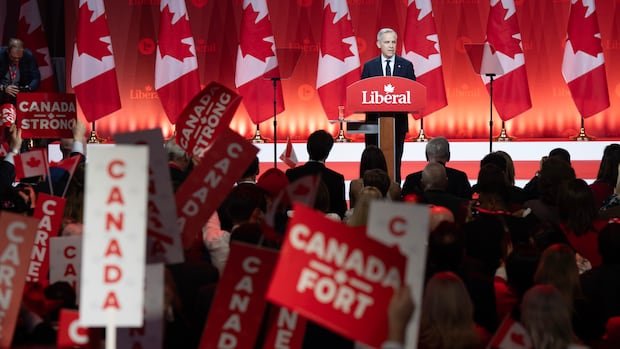

Debates at the upcoming national convention of the Liberal Party will include discussions on age restrictions for social media and AI chatbots. The convention, set to take place in Montreal from April 9 to 11, will address twenty-four policy resolutions.
Two resolutions focus on addressing concerns related to the impact of social media and artificial intelligence on young people. One proposal from Quebec suggests banning individuals under the age of 16 from accessing AI chatbots and other potentially harmful AI interactions like OpenAI’s ChatGPT.
The resolution highlights various negative consequences associated with these technologies, such as limiting social interactions, promoting inappropriate conversations, and suggesting harmful behaviors like suicide to vulnerable youth.
Another resolution proposes implementing a law similar to one passed in Australia, which would establish a minimum age of 16 for creating social media accounts. Additionally, the resolution suggests holding platform companies accountable for preventing underage individuals from having accounts.
Furthermore, it advocates for the creation of a digital safety body to oversee compliance, conduct audits, issue notices, and impose penalties to address online issues faced by Canadian youth, such as cyberbullying and exposure to hateful content.
Prime Minister Mark Carney mentioned that the government is considering an “age of majority” for social media as part of new online harms legislation discussions. However, he has not made a decision on whether Canada should adopt a similar approach to Australia.
Various other proposals at the convention include electoral system reforms, with one suggesting a requirement for candidates to receive at least 50% plus one vote to win, possibly through ranked ballots or run-off systems.
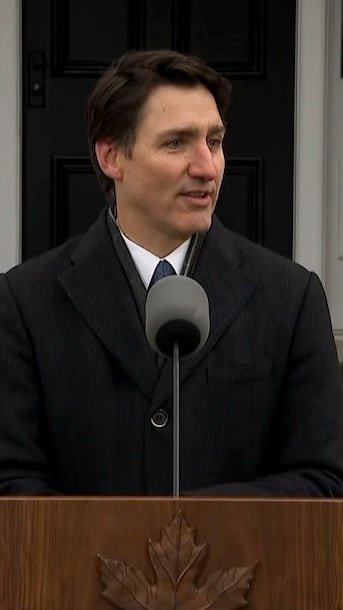
While announcing his resignation as prime minister and Liberal Party leader, Justin Trudeau added that he regrets not being able to push through ranked ballot electoral reform, citing a lack of consensus across party lines.
Another resolution proposes establishing a citizens’ assembly to design a proportional representation system for Canada. Additionally, a resolution from Liberals in British Columbia suggests the federal government should use disallowance to veto provincial use of the notwithstanding clause to bypass Charter rights.
Disallowance, a rarely used power in modern politics, has been suggested to counter provinces using the notwithstanding clause to preempt court challenges, as seen in instances like Quebec’s Bill 21.
- <a class="similarLink" href="https://www.cbc.ca/news/canada/montreal/livestory/bill-21-supreme-court-